


Shop Essentials for Docking
-
Marinco
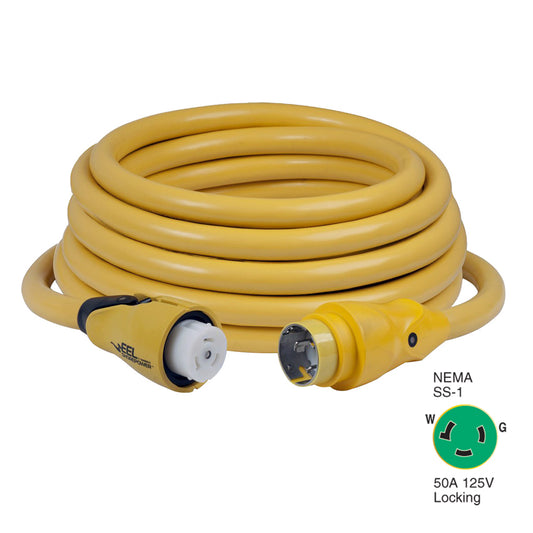
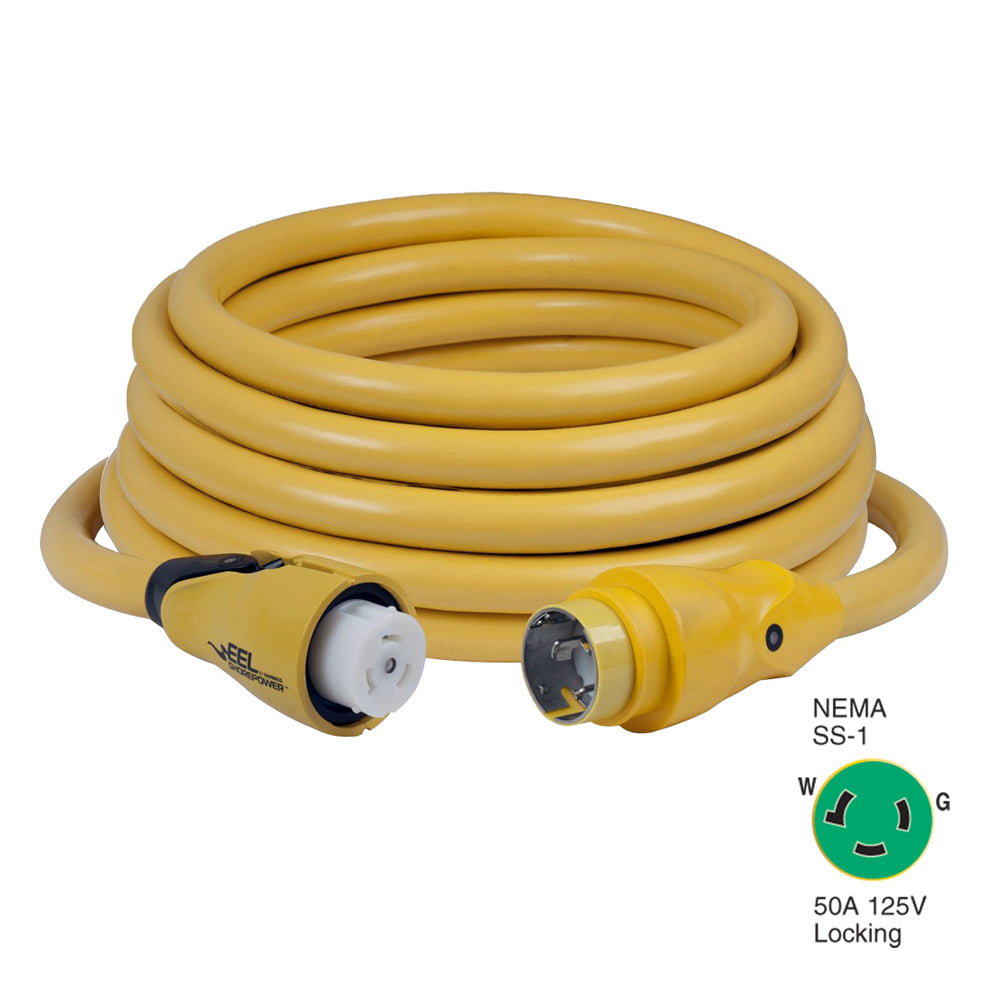
Marinco CS503-50 EEL 50A 125V Shore Power Cordset - 50' - Yellow [CS503-50]
Regular price $625.99 USDSale price $625.99 USD Regular price $919.09 USDUnit price per -
Sea-Dog
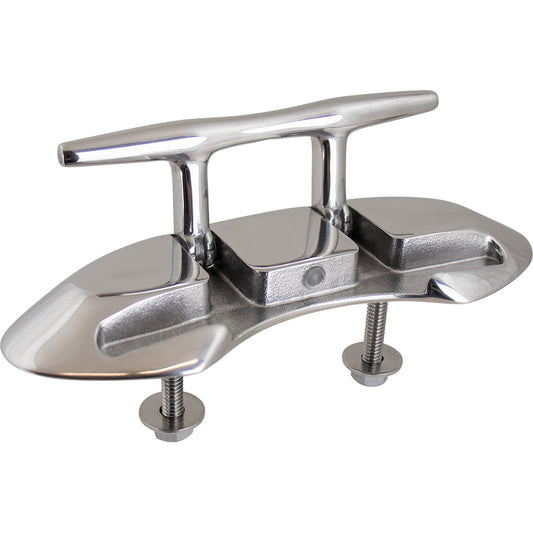
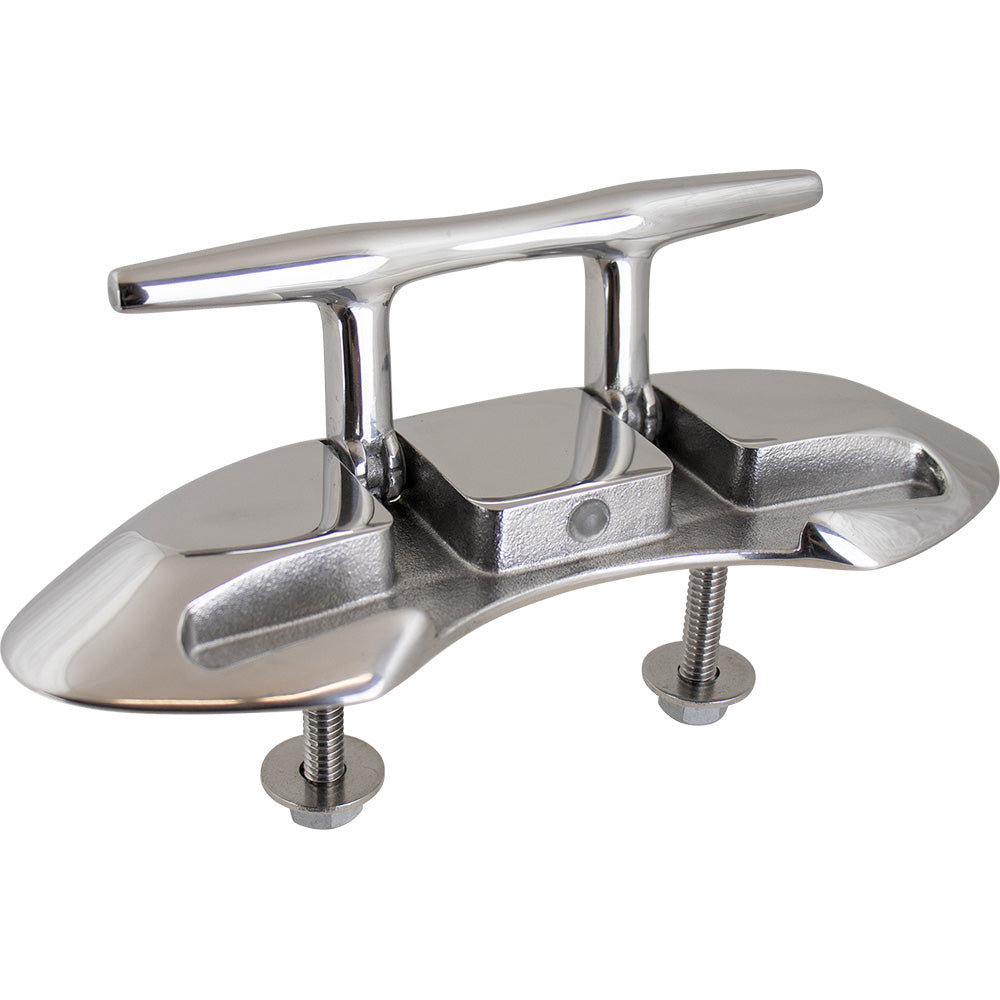
Sea-Dog Folding Stud Mount Cleat - 4-1/2" - Investment Cast 316 Stainless Steel [041404-1]
Regular price $65.99 USDSale price $65.99 USD Regular price $82.50 USDUnit price per -
Dock Edge
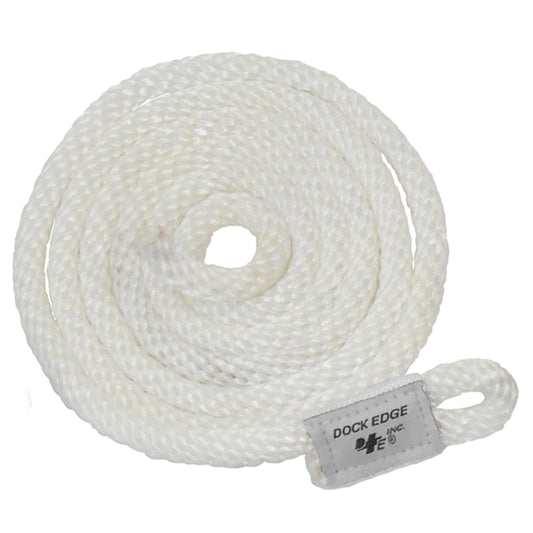
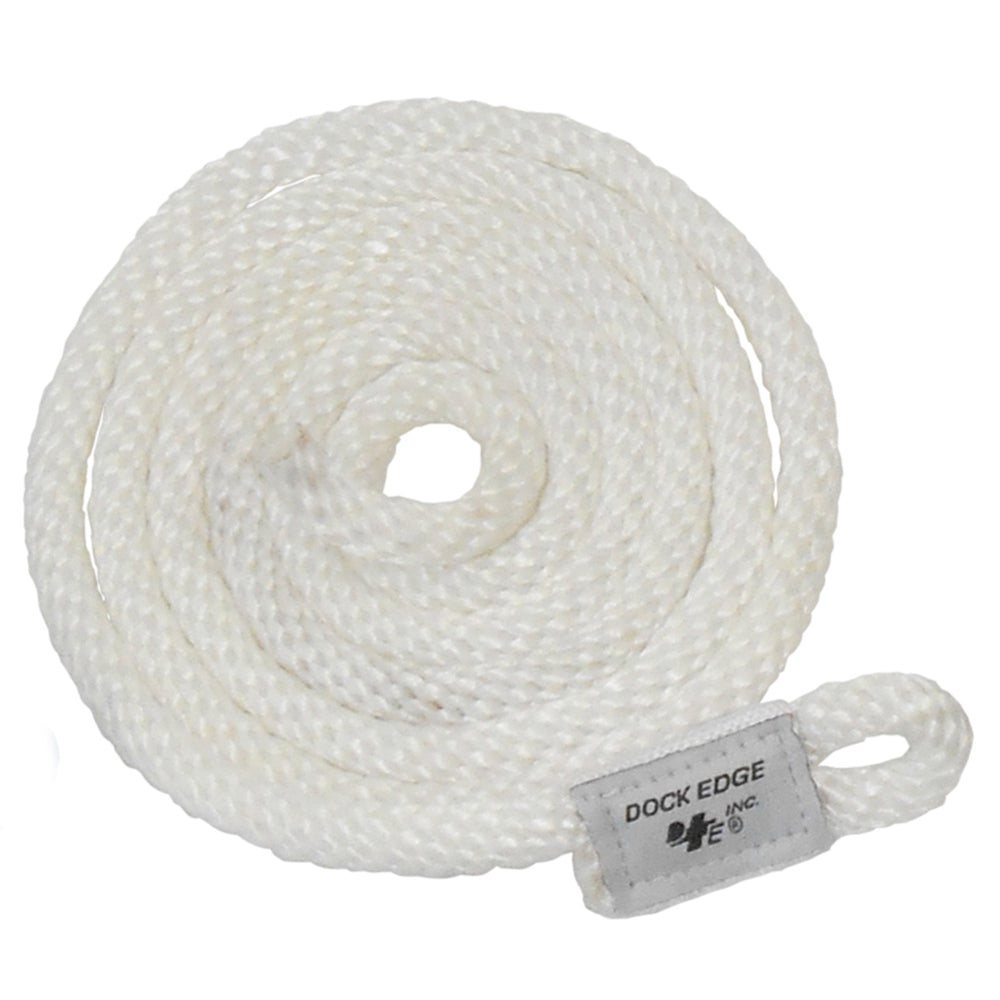
Dock Edge Fender Line - 3/8" x 5' - White - 2-Pack [DE91561F]
Regular price $9.50 USDSale price $9.50 USD Regular price $0.00 USDUnit price per -
Dock Edge
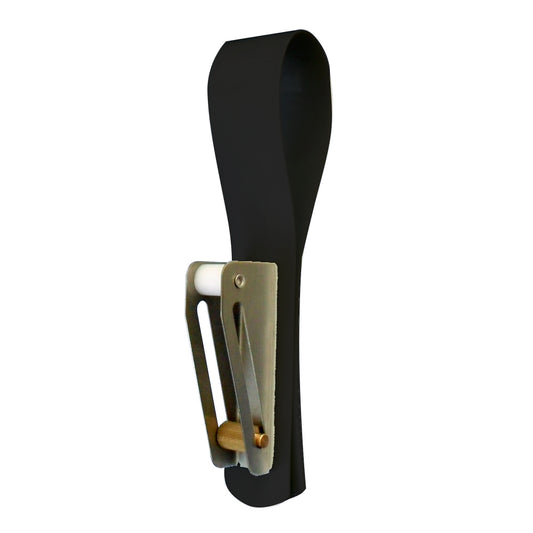
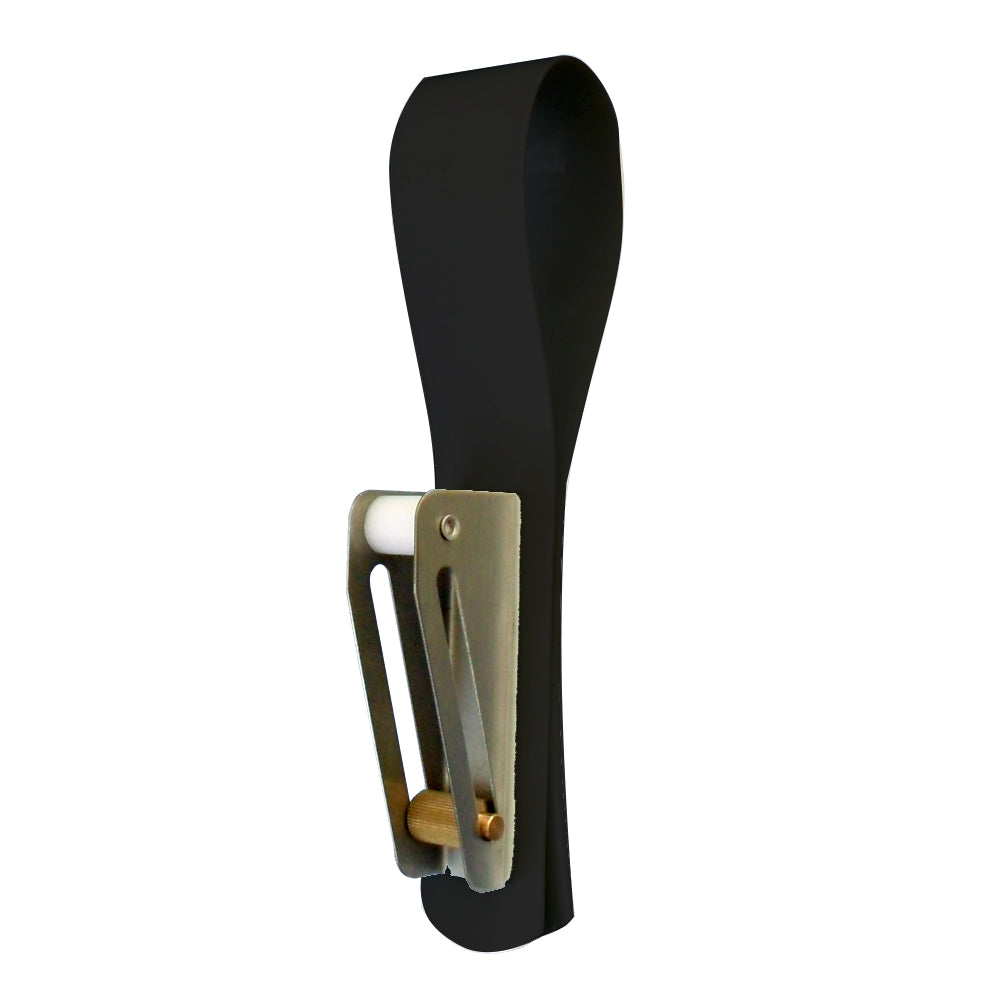
Dock Edge Fender Holder w/Adjuster - Black [DE91536F]
Regular price $15.87 USDSale price $15.87 USD Regular price $0.00 USDUnit price per -
Polyform U.S.
Polyform A Series Buoy A-5 - 27" Diameter - White [A-5 WHITE]
Regular price $262.99 USDSale price $262.99 USD Regular price $0.00 USDUnit price per -
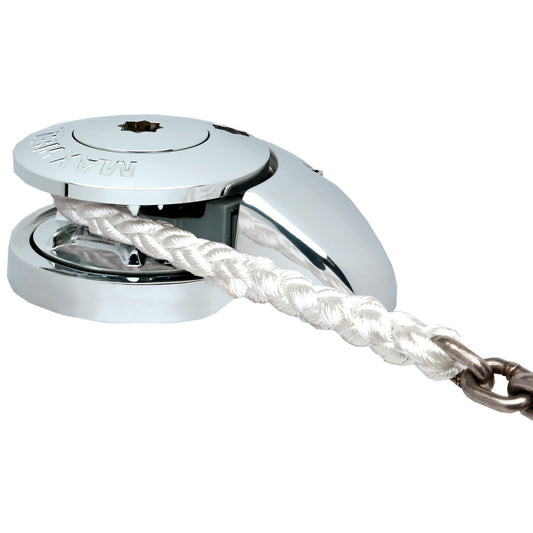
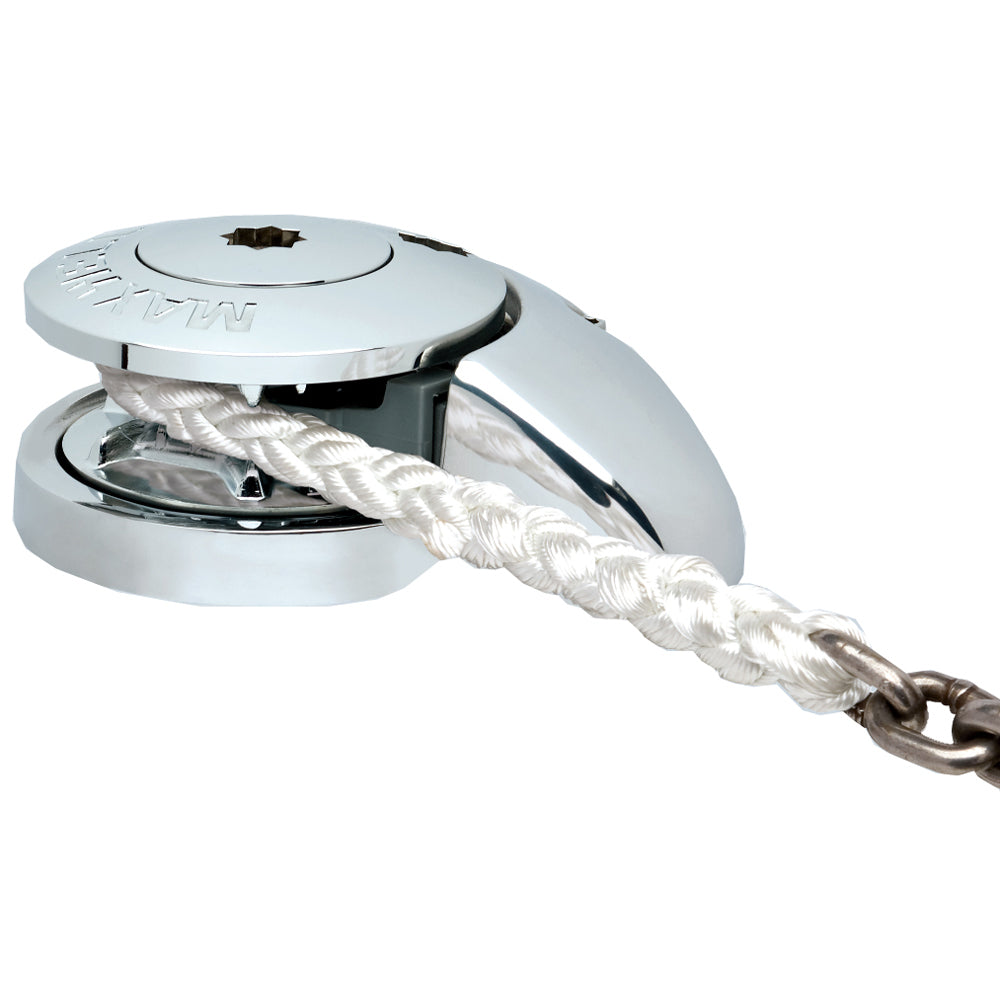
Maxwell
Maxwell RC8-8 12V Windlass - for up to 5/16" Chain, 9/16" Rope [RC8812V]
Regular price $1,997.99 USDSale price $1,997.99 USD Regular price $2,881.48 USDUnit price per -
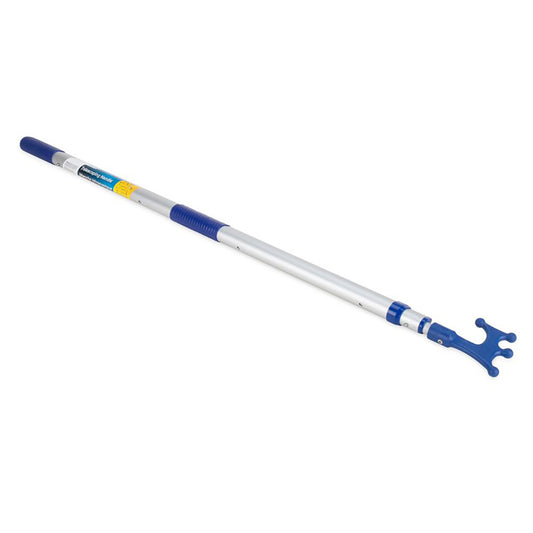
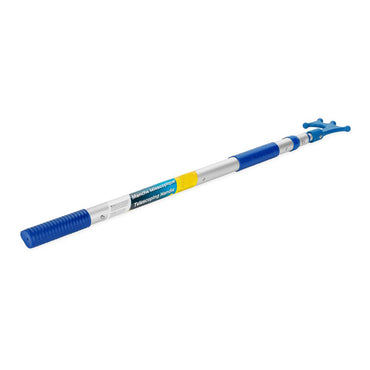
Camco
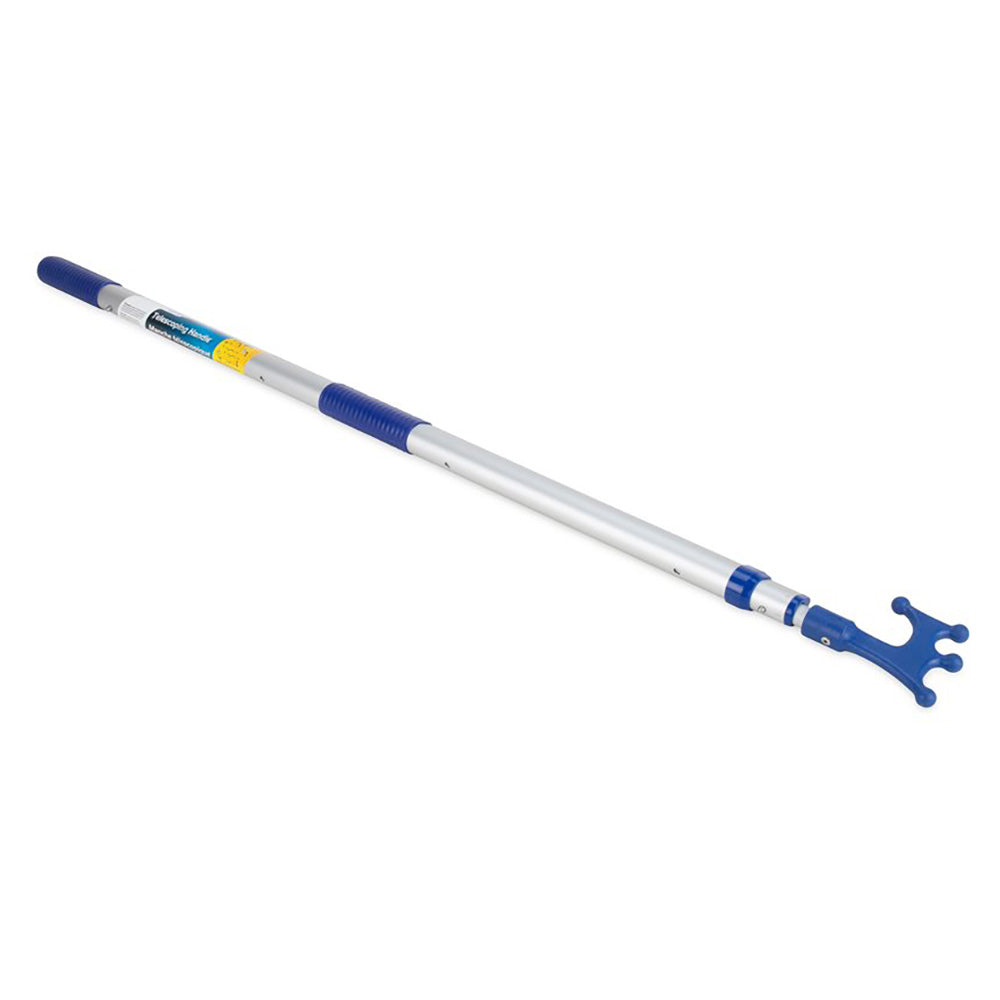
Camco Handle Telescoping - 6-11 w/Boat Hook [41916]
Regular price $63.99 USDSale price $63.99 USD Regular price $0.00 USDUnit price per




Shop your favorite brands!


-
Scotty
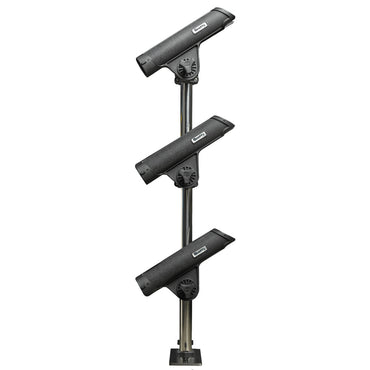
Scotty 333 Track Mounted Rod Tree - Rodmaster II Rod Holders [0333]
Regular price $160.99 USDSale price $160.99 USD Regular price $178.99 USDUnit price per333 Track Mounted Rod Tree - Rodmaster II Rod HoldersThe 333 Track Mounted Rod Tree is an easy, rock-solid platform for anglers looking to run up...
-
Attwood Marine
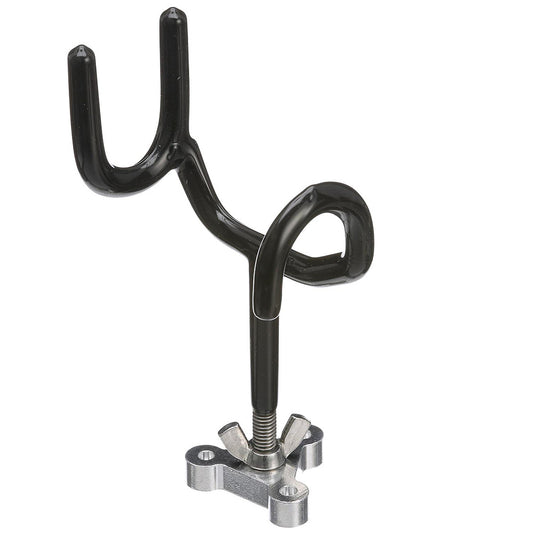
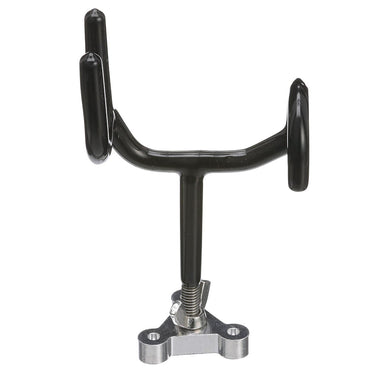
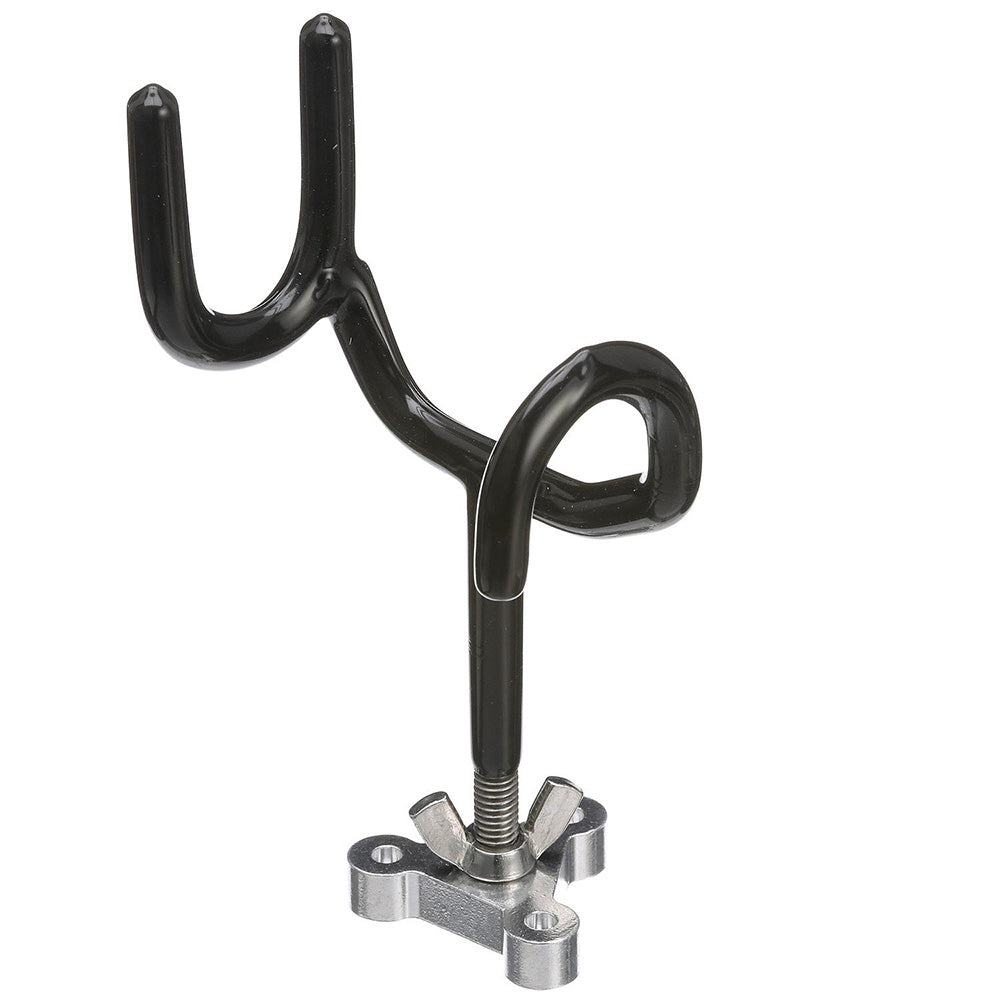
Attwood Sure-Grip Stainless Steel Rod Holder - 4" 5-Degree Angle [5060-3]
Regular price $14.83 USDSale price $14.83 USD Regular price $0.00 USDUnit price perSure-Grip Stainless Steel Rod Holder - 4" & 5-Degree AngleAttwood’s line of Sure-Grip Steel Rod Holders is the perfect complement to Attwood’s molded Pro-Series and Heavy-Duty...
-
Attwood Marine
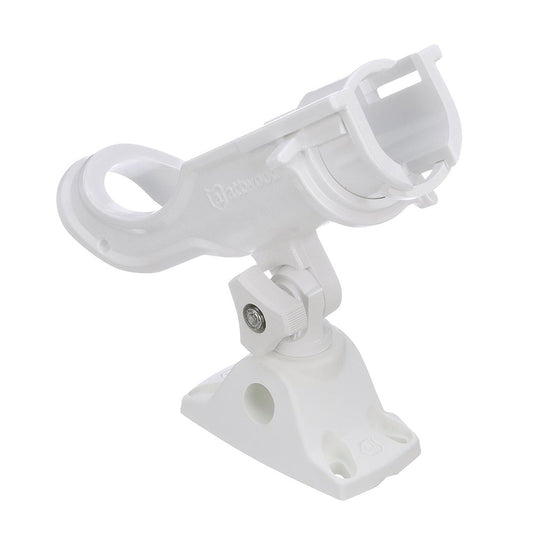
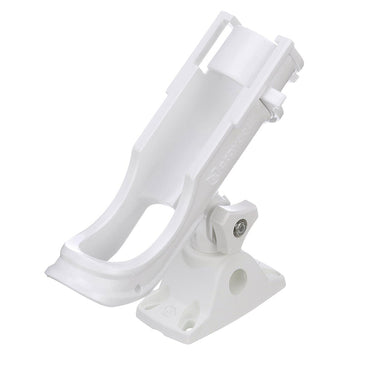
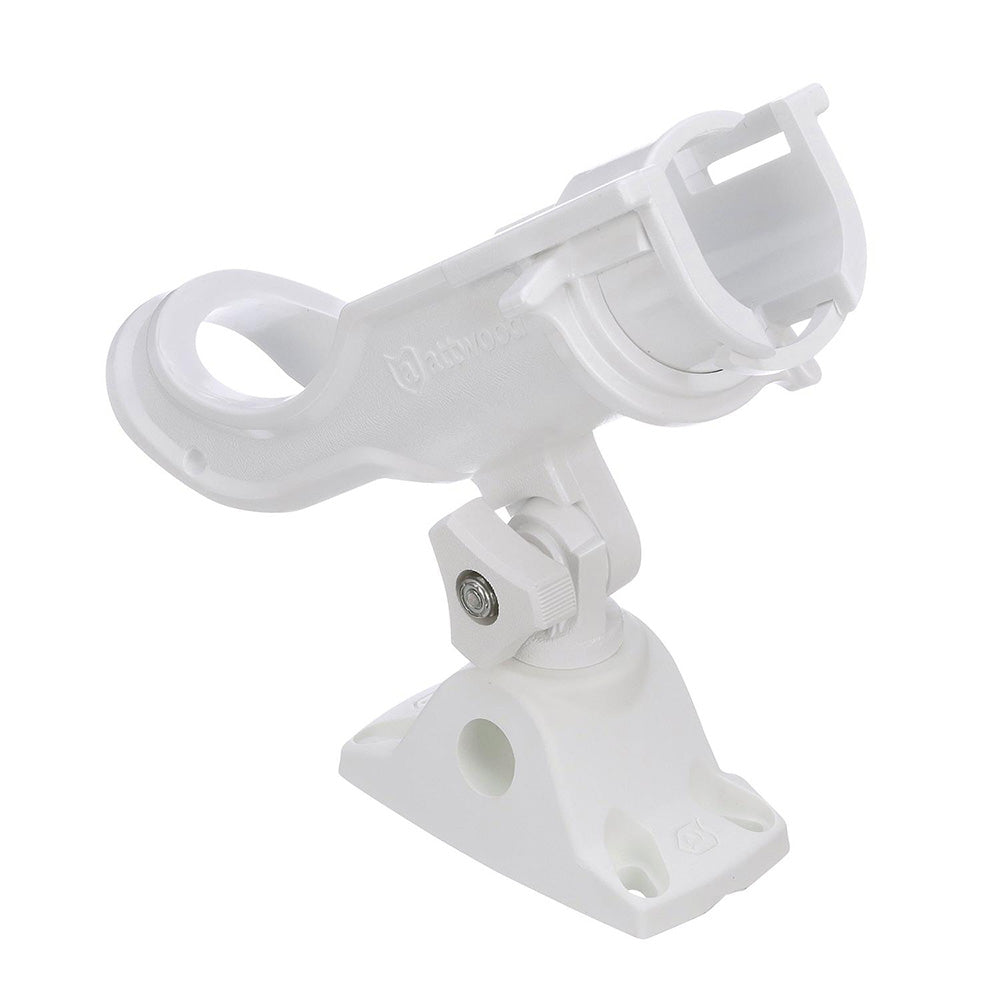
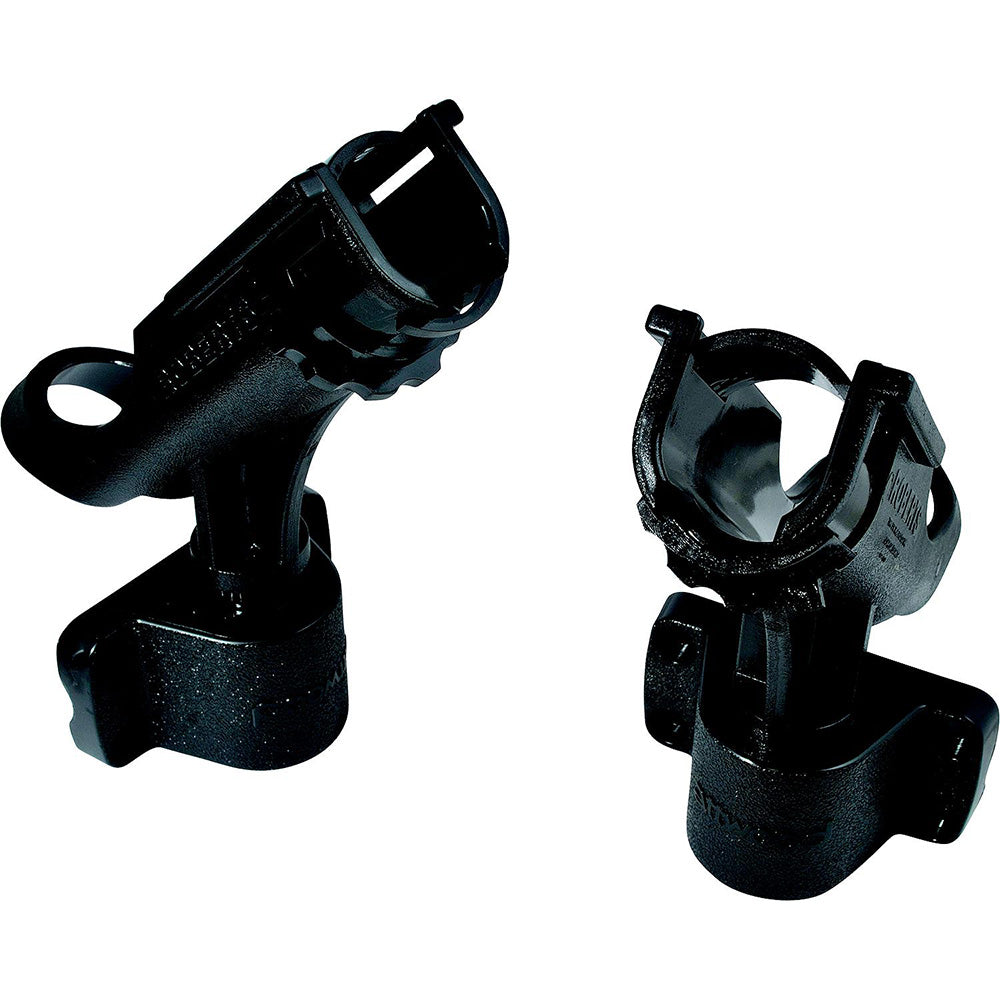
Attwood Heavy-Duty Adjustable Rod Holder w/Combo Mount - White [5009W4]
Regular price $32.99 USDSale price $32.99 USD Regular price $0.00 USDUnit price perHeavy-Duty Adjustable Rod Holder with Combo Mount - White This rod holder is designed for use with baitcasting and spinning reels.Features: An ergonomic design and easy-to-find rapid-release...
-
Attwood Marine
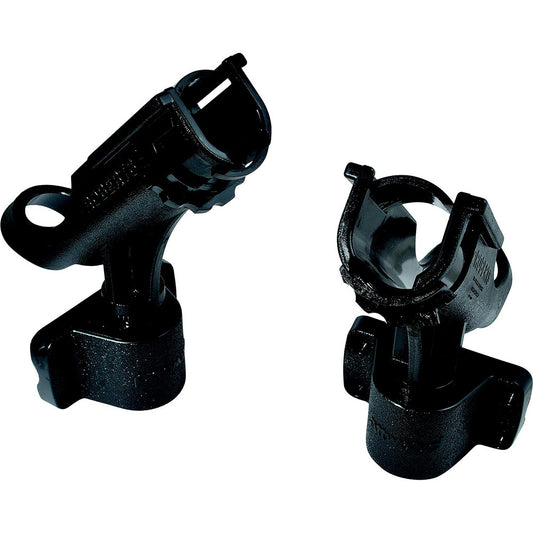
Attwood 2-In-1 Non-Adjustable Rod Holders *2-Pack [RH-4646]
Regular price $29.99 USDSale price $29.99 USD Regular price $0.00 USDUnit price per2-In-1 Non-Adjustable Rod Holders *2-PackThese two rod holders have a fixed vertical angle to optimize rod positioning and a smaller size is perfect for medium and...
-
C.E. Smith
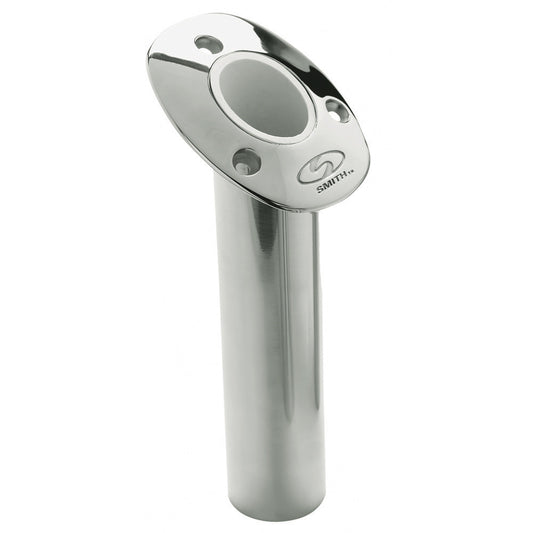
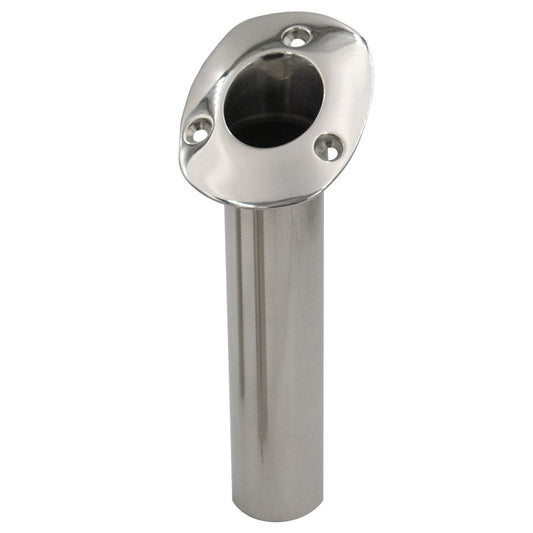
C.E. Smith Flush Mount Rod Holder - 30 Degree 9" Depth - Stainless Steel - Cast Bottom - White Vinyl Liner [53672CA]
Regular price $101.99 USDSale price $101.99 USD Regular price $107.99 USDUnit price perFlush Mount Rod Holder - 30 Degree & 9" Depth - Stainless Steel - Cast Bottom - White Vinyl LinerThese larger 70C series models feature a...
-
C.E. Smith
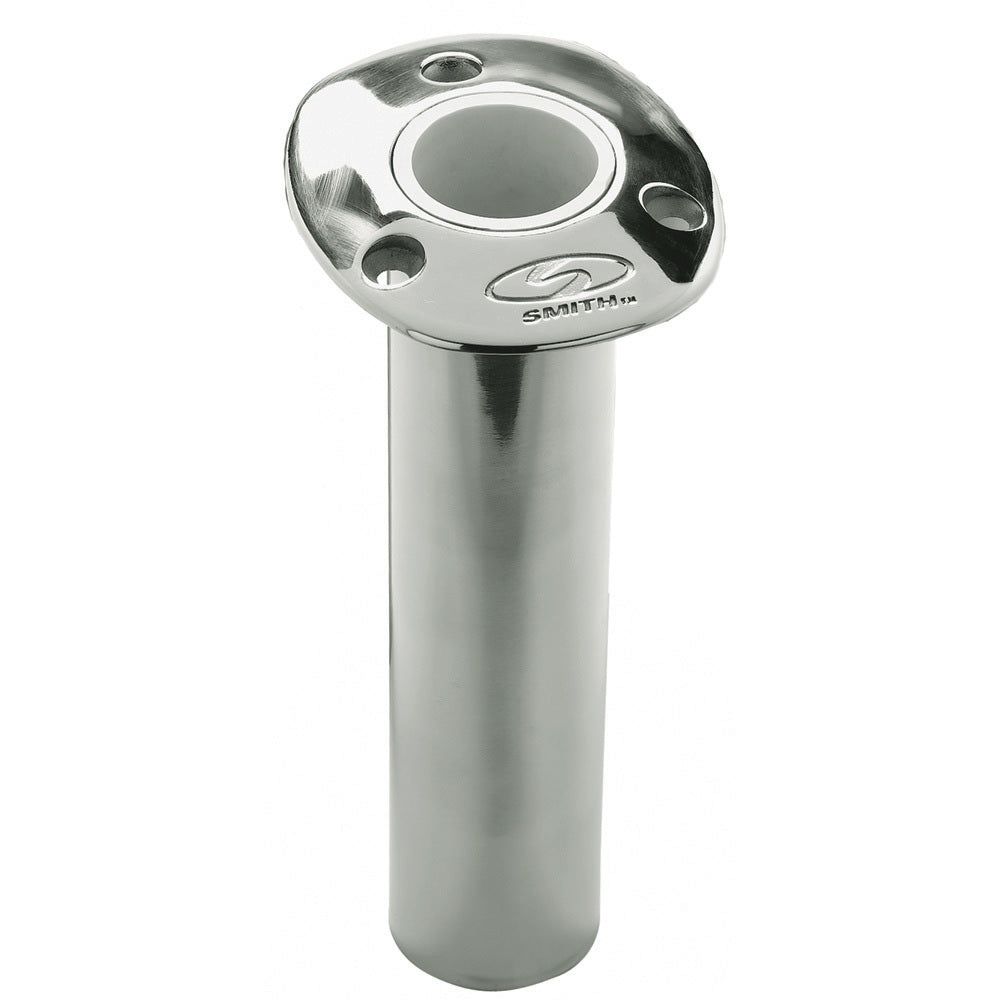
C.E. Smith Flush Mount Rod Holder - 0 Degree 9" Depth - Stainless Steel - Cast Bottom - White Vinyl Liner [53670CA]
Regular price $94.99 USDSale price $94.99 USD Regular price $107.99 USDUnit price perFlush Mount Rod Holder - 0 Degree & 9" Depth - Stainless Steel - Cast Bottom - White Vinyl LinerThese larger 70C series models feature a...
-
C.E. Smith
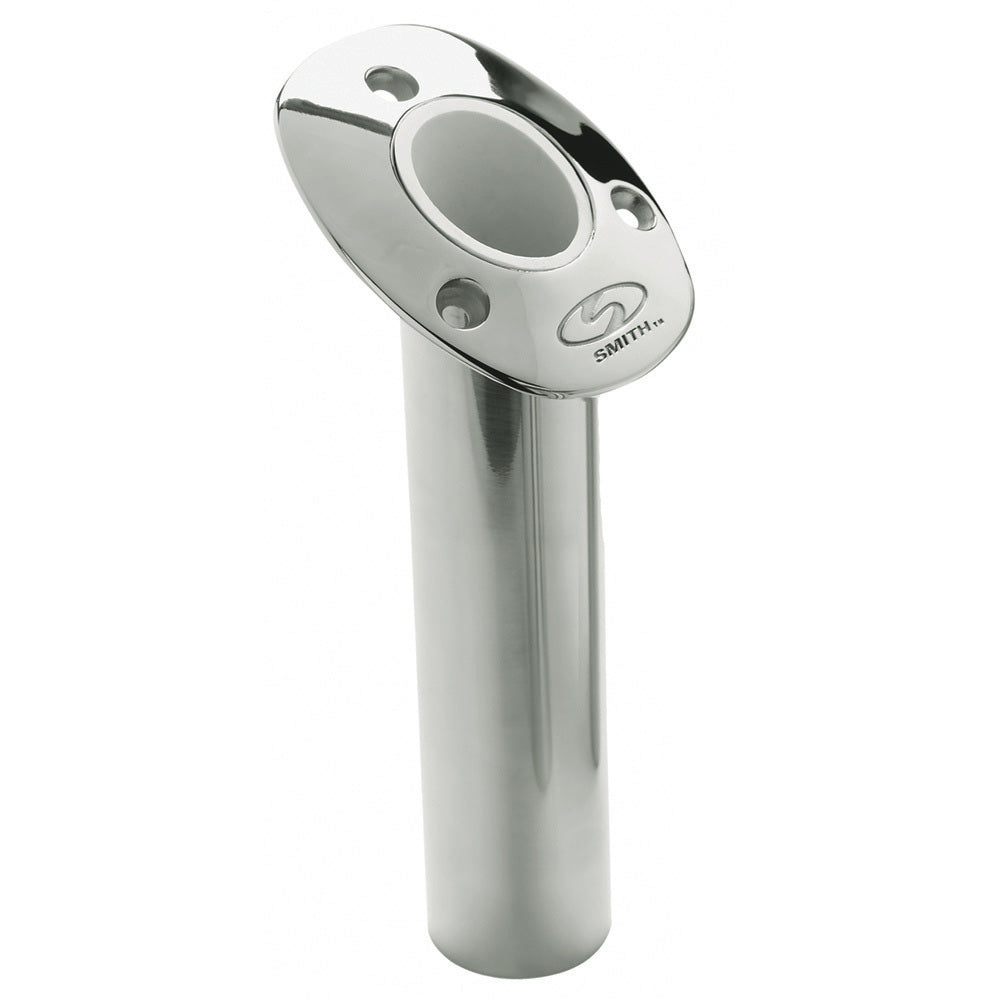
C.E. Smith 80 Series Standard Flush Mount Rod Holder - 30 Degree - Stainless Steel - Cast Bottom - Black Liner [536820C]
Regular price $168.99 USDSale price $168.99 USD Regular price $174.99 USDUnit price per80 Series Standard Flush Mount Rod Holder - 30 Degree - Stainless Steel - Cast Bottom - Black LinerThese flush mount rod holders are made of...
-
C.E. Smith
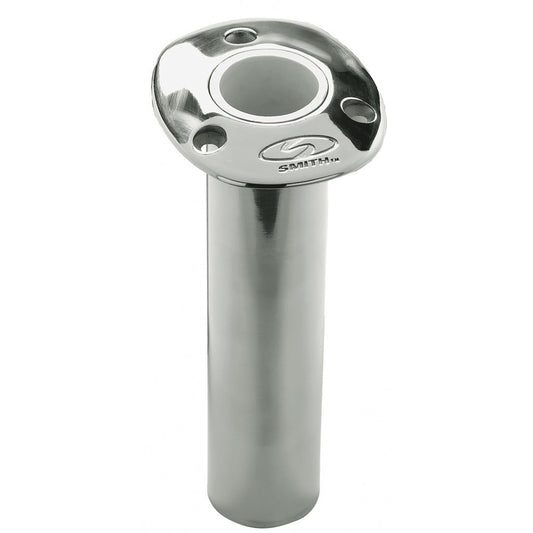
C.E. Smith 80 Series Standard Flush Mount Rod Holder - 0 Degree - Stainless Steel - Cast Bottom - Black Liner [536800C]
Regular price $168.99 USDSale price $168.99 USD Regular price $174.99 USDUnit price per80 Series Standard Flush Mount Rod Holder - 0 Degree - Stainless Steel - Cast Bottom - Black LinerThese flush mount rod holders are made of...


Anchoring & Docking FAQs
Should I inspect my anchoring and docking equipment?
Yes. Regularly inspect anchors, rope, chain, shackles, swivels, dock lines, fenders, cleats, windlass components, and related hardware for wear, corrosion, chafe, deformation, or damage. Equipment exposed to saltwater and harsh marine environments may require more frequent inspection and maintenance.
How do I choose the right anchor for my boat?
The right anchor depends on your boat's size and weight, the type of bottom where you typically anchor, local conditions, and how you use your boat. Fluke, plow, scoop, claw, and other anchor designs perform differently in sand, mud, rock, grass, and mixed bottoms. Always review the anchor manufacturer's sizing recommendations for your vessel and expected conditions.
What size anchor do I need for my boat?
Anchor sizing isn't based on boat length alone. Vessel weight, windage, anchoring conditions, bottom type, and the anchor's design can all affect the appropriate size. Manufacturer sizing charts are a good starting point, but boaters who regularly anchor in stronger winds or changing conditions may choose a setup appropriate for those demands.
What is anchor rode?
Anchor rode is the connection between your boat and anchor. Depending on the anchoring system, it may consist of rope, chain, or a combination of both. A common recreational setup uses marine-grade anchor rope connected to a section of chain near the anchor.
Why is chain used with anchor rope?
Anchor chain adds weight near the anchor and helps the rode resist abrasion near the bottom. It can also help maintain a more favorable pulling angle on the anchor. The appropriate amount and size of chain depend on the vessel, anchor, windlass configuration, and intended anchoring conditions.

Traditions Start on the Water
Every great fishing story starts with a cast. Make yours count with lures built for the moments you'll never forget.