

Collection: Navigation Equipment

Best Sellers
-
Garmin
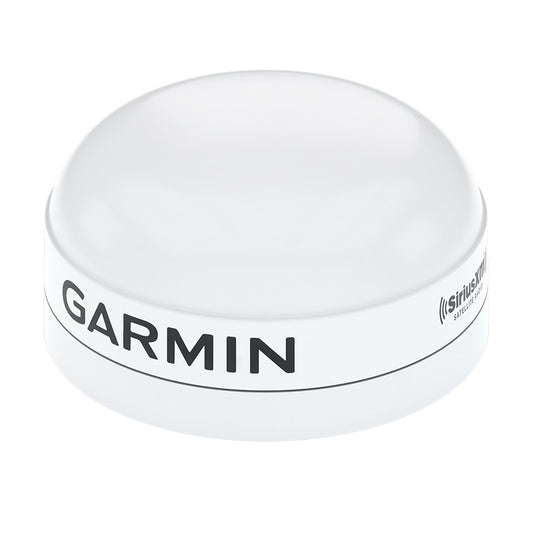
Garmin GXM 54 Satellite Weather/Radio Antenna - White [010-02277-00]
Regular price $649.99 USDSale price $649.99 USD Regular price $849.99 USDUnit price per -
Garmin
Garmin gWind Wireless 2 Transducer [010-01616-00]
Regular price $731.99 USDSale price $731.99 USD Regular price $749.99 USDUnit price per -
Garmin
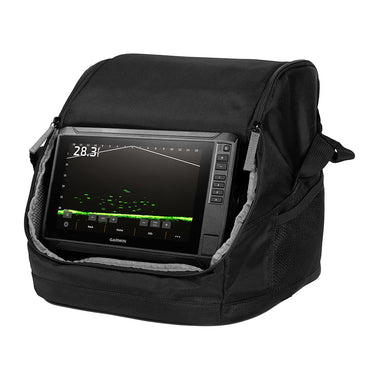
Garmin ECHOMAP UHD2 93SV LiveScope Plus Ice Fishing Bundle LI w/ECHOMAP UHD2 93sv, LiveScope Plus System Lithium-ion Battery [010-02688-35]
Regular price $3,115.99 USDSale price $3,115.99 USD Regular price $3,299.99 USDUnit price per -
Garmin
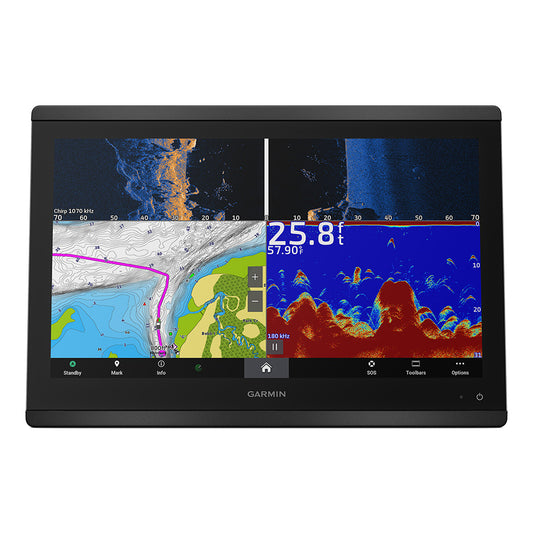
Garmin GPSMAP 8616xsv Combo GPS/Fishfinder GN+ [010-02093-51]
Regular price $5,286.99 USDSale price $5,286.99 USD Regular price $6,299.99 USDUnit price per -
Furuno
Furuno NavNet TZtouch3 16" MFD w/1kW Dual Channel CHIRP Sounder Internal GPS [TZT16F]
Regular price $4,105.99 USDSale price $4,105.99 USD Regular price $4,295.00 USDUnit price per -
Garmin
Garmin GPSMAP 86i Handheld GPS w/inReach Worldwide Basemap [010-02236-00]
Regular price $499.99 USDSale price $499.99 USD Regular price $599.99 USDUnit price per -
Furuno
Furuno Second Control Unit for NavPilot 711C [FAP7011C-A]
Regular price $1,087.00 USDSale price $1,087.00 USD Regular price $0.00 USDUnit price per





-
Navico
Navico NSS12 evo3/3S Zeus/3S 12 Edge Bezels - Pair [000-13751-001]
Regular price $21.99 USDSale price $21.99 USD Regular price $0.00 USDUnit price perNSS12 evo3/3S & Zeus³/3S 12 Edge Bezels - PairFeatures: Edge Bezels for NSS12 evo3/3S & Zeus³/3S 12 Comes as a Pair Specifications: Type: Parts Box Dimensions:...
-
Navico
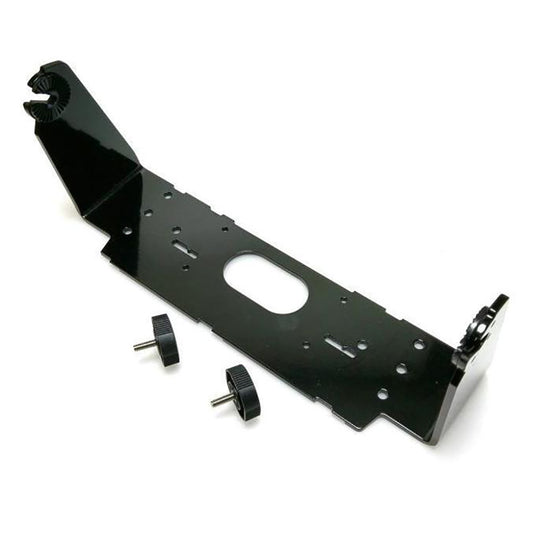
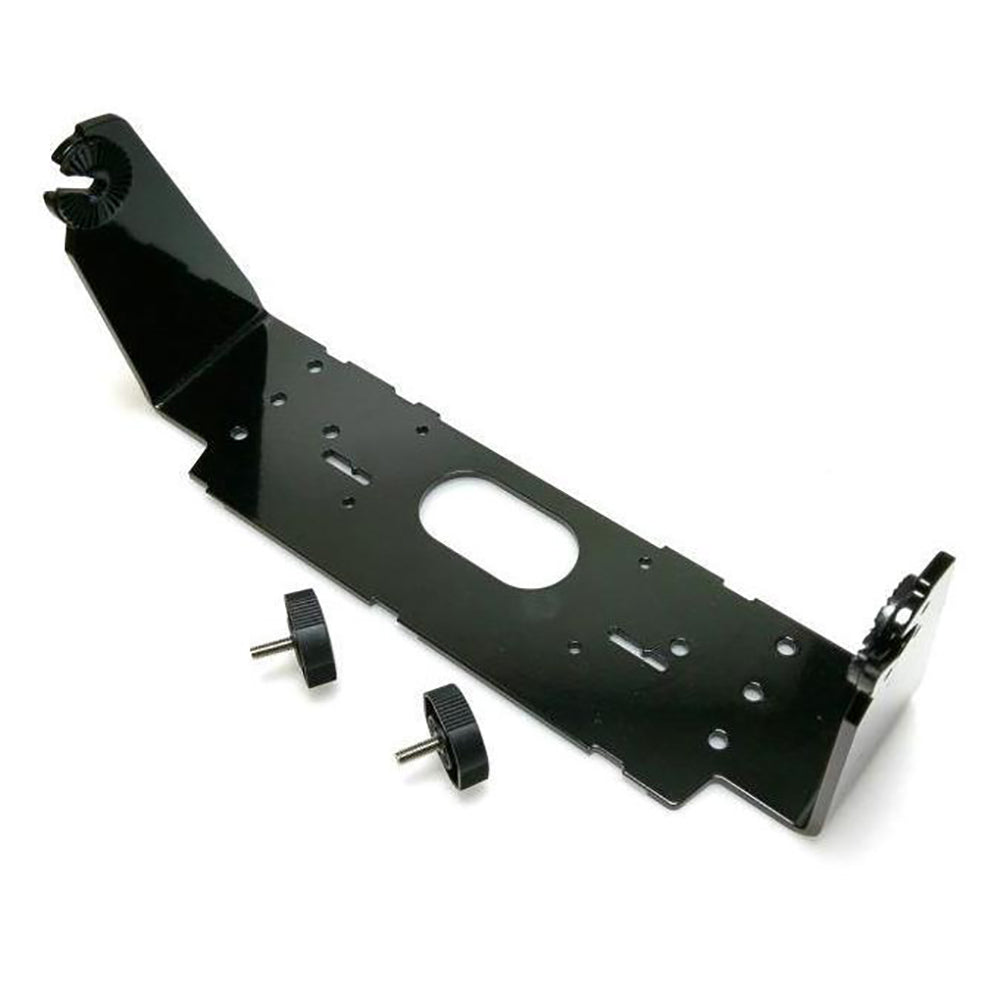
Navico Mounting Bracket f/Simrad Nss12 evo3 BG Zeus3 12" Displays [000-13759-001]
Regular price $94.00 USDSale price $94.00 USD Regular price $0.00 USDUnit price perMounting Bracket for Simrad NSS12 evo3 & B & G Zeus3 12" DisplaysSimrad's mounting bracket includes bracket and knobs. Specifications: Type: Mounting Brackets Box Dimensions: 5"H...
-
Navico
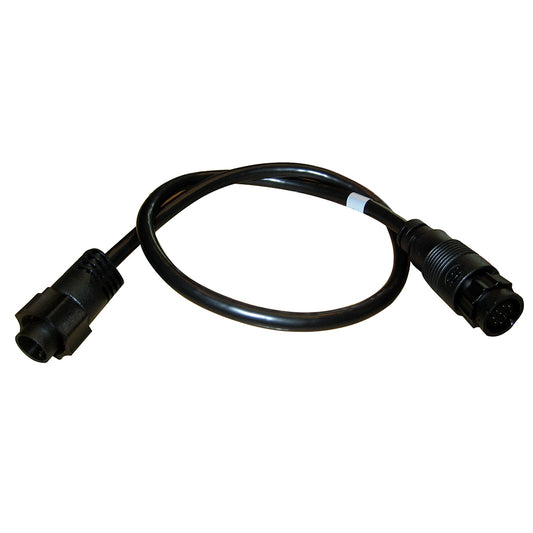
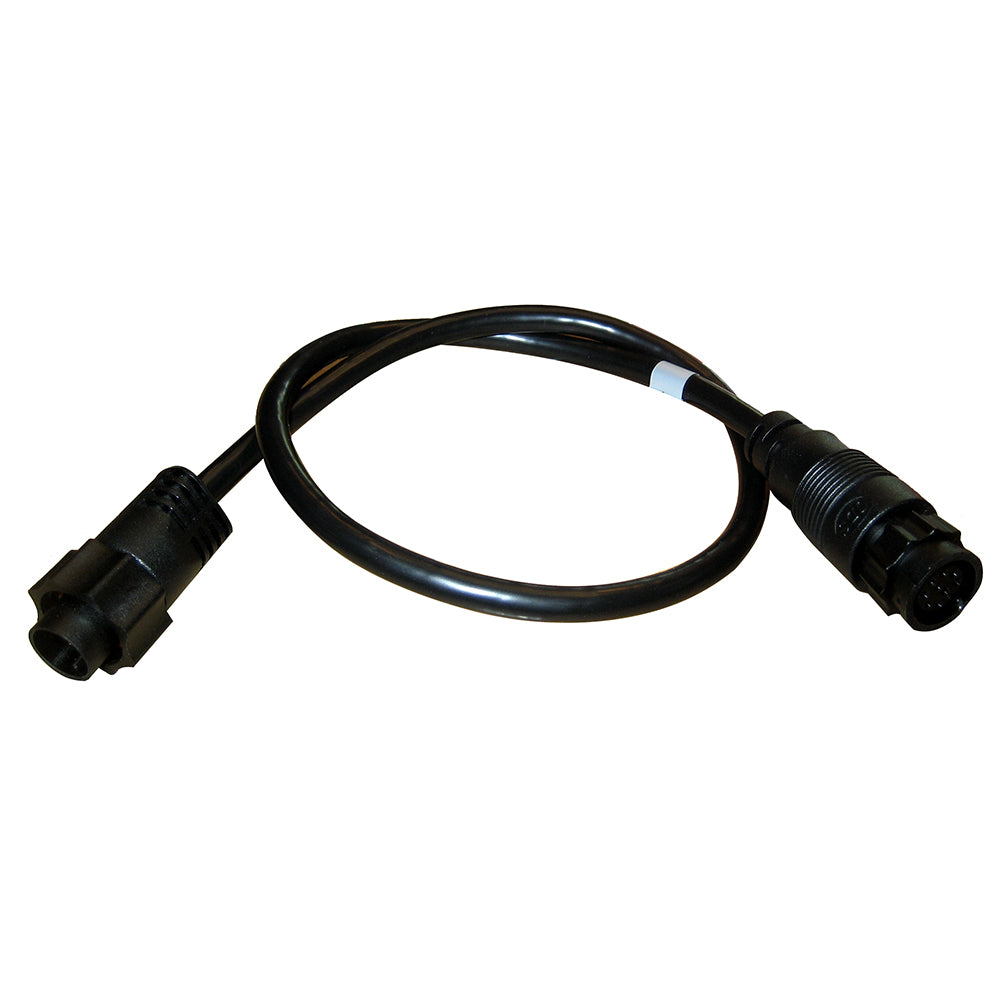
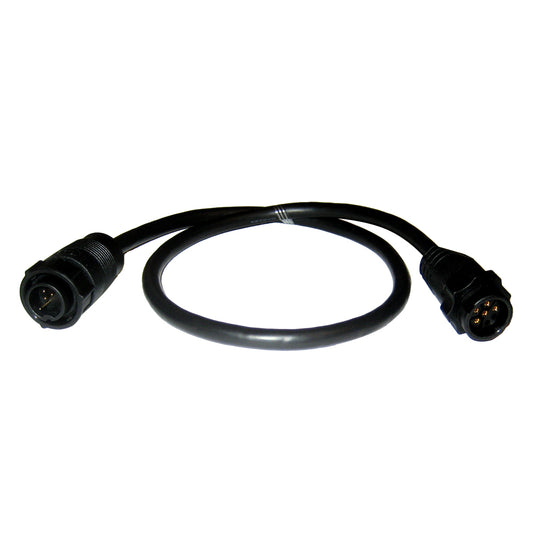
Navico 9-Pin Black to 7-Pin Blue Adapter Cable f/XID Transducers [000-13977-001]
Regular price $42.00 USDSale price $42.00 USD Regular price $0.00 USDUnit price per9-Pin Black to 7-Pin Blue Adapter Cable f/XID TransducersThe 9-to-7-Pin Transducer Adapter enables xSonic 9-pin transducers to connect to legacy 7-pin displays.Use with Airmar Chirp transducers...
-
Navico
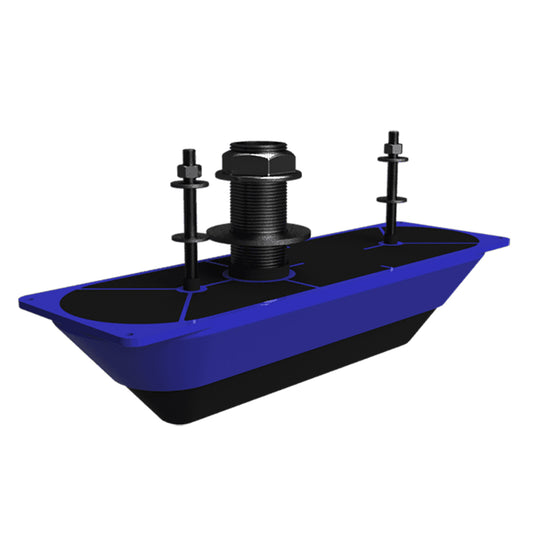
Navico StructureScan 3D Stainless Steel Thru-Hull Transducer - Single [000-13559-001]
Regular price $1,440.99 USDSale price $1,440.99 USD Regular price $1,611.00 USDUnit price perStructureScan 3D® Stainless Steel Thru-Hull Transducer - SingleLowrance and Simrad Yachting announce the release of new thru-hull StuctureScan 3D® Stainless Steel transducer for the StructureScan 3D®...
-
Navico
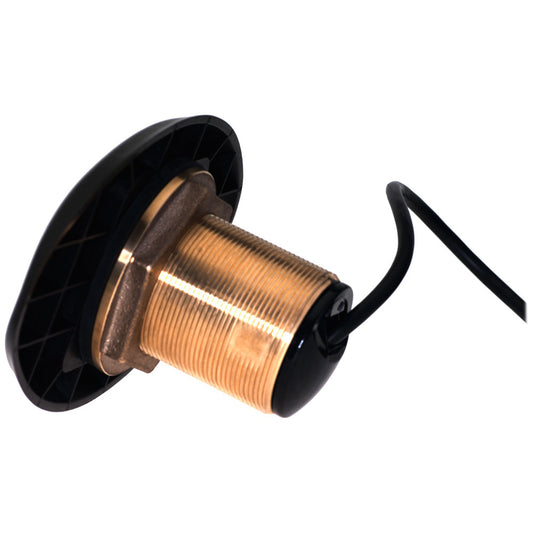
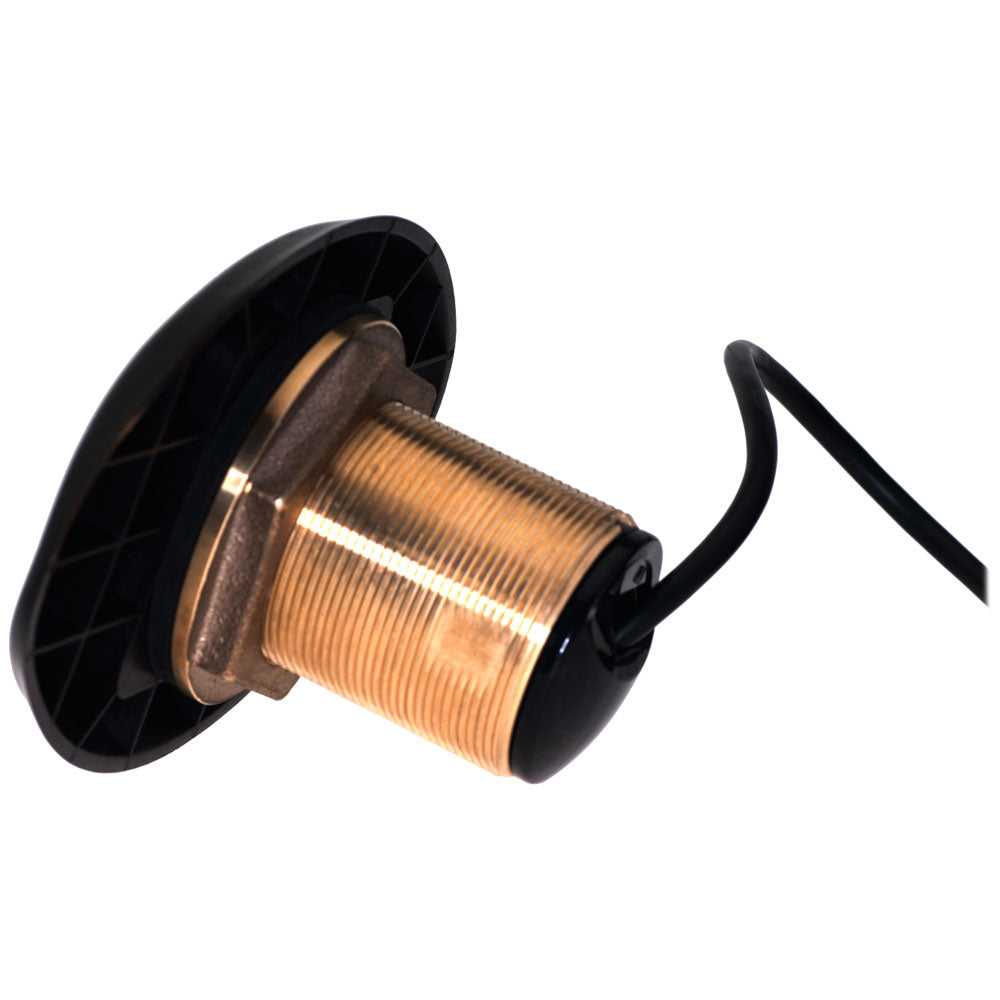
Navico xSonic Bronze HDI 0 Tilt 50/200 455/800 Thru Hull with 9 Pin Connector and 10M Cable [000-13905-001]
Regular price $514.99 USDSale price $514.99 USD Regular price $540.00 USDUnit price perxSonic Bronze 0° HDI Transducer Thru Hull 50/200 455/800 with 9 pin connector and 10M CableBronze Hybrid Dual Imaging™ (HDI) tilted element thru hull transducer Provides...
-
Navico
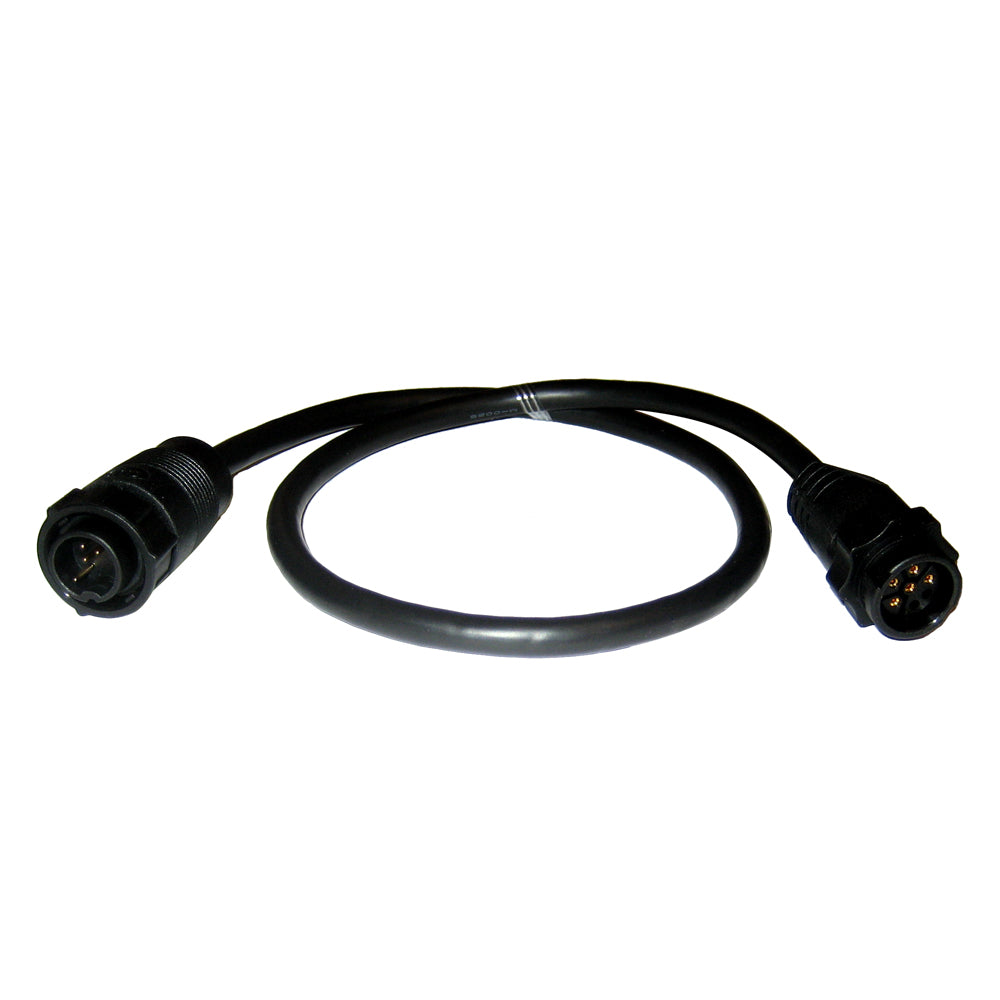
Navico Adapter 7-Pin Blue Transducer to a 9-Pin Black Unit [000-13313-001]
Regular price $36.00 USDSale price $36.00 USD Regular price $0.00 USDUnit price perAdapter 7-Pin Blue Transducer to a 9-Pin Black UnitFeatures: Connects legacy 7-Pin Blue Transducer to a 9-Pin Black Unit Sonic Connector Transducer Adapter Cable Compatible With:...
-
Navico
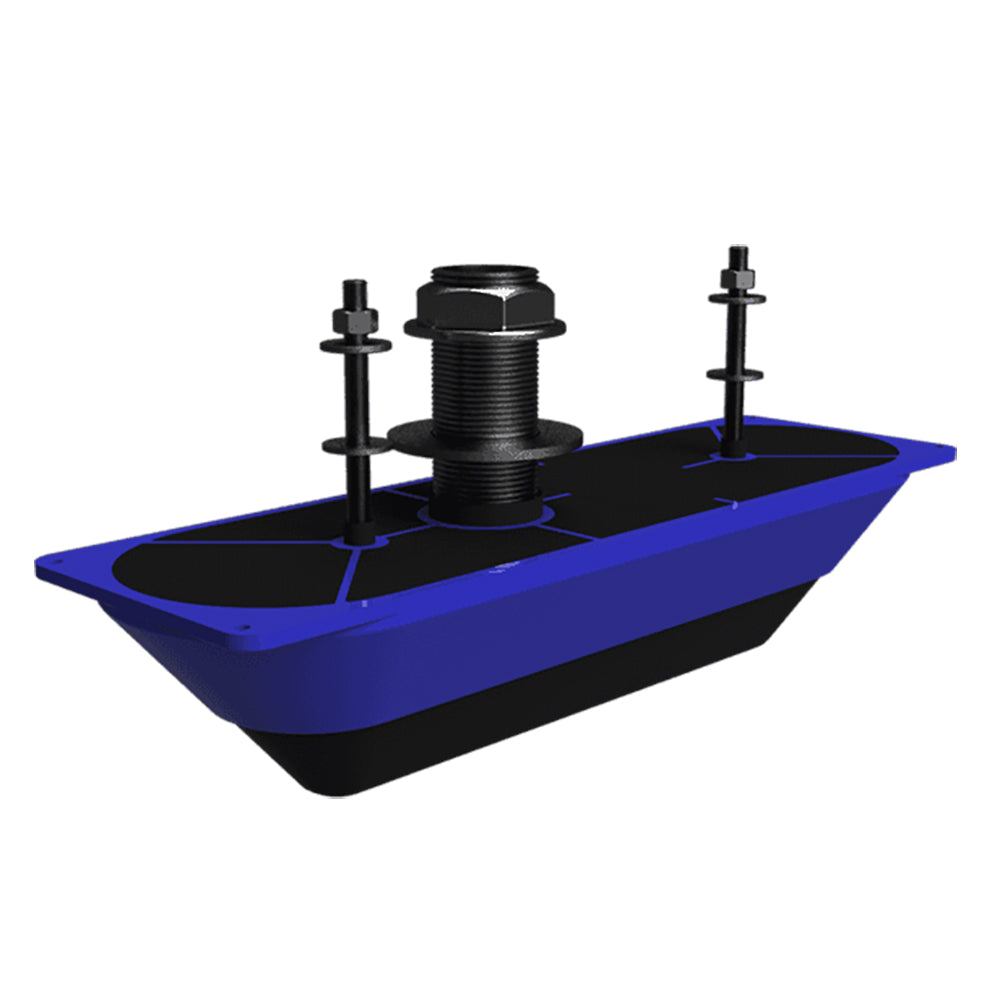
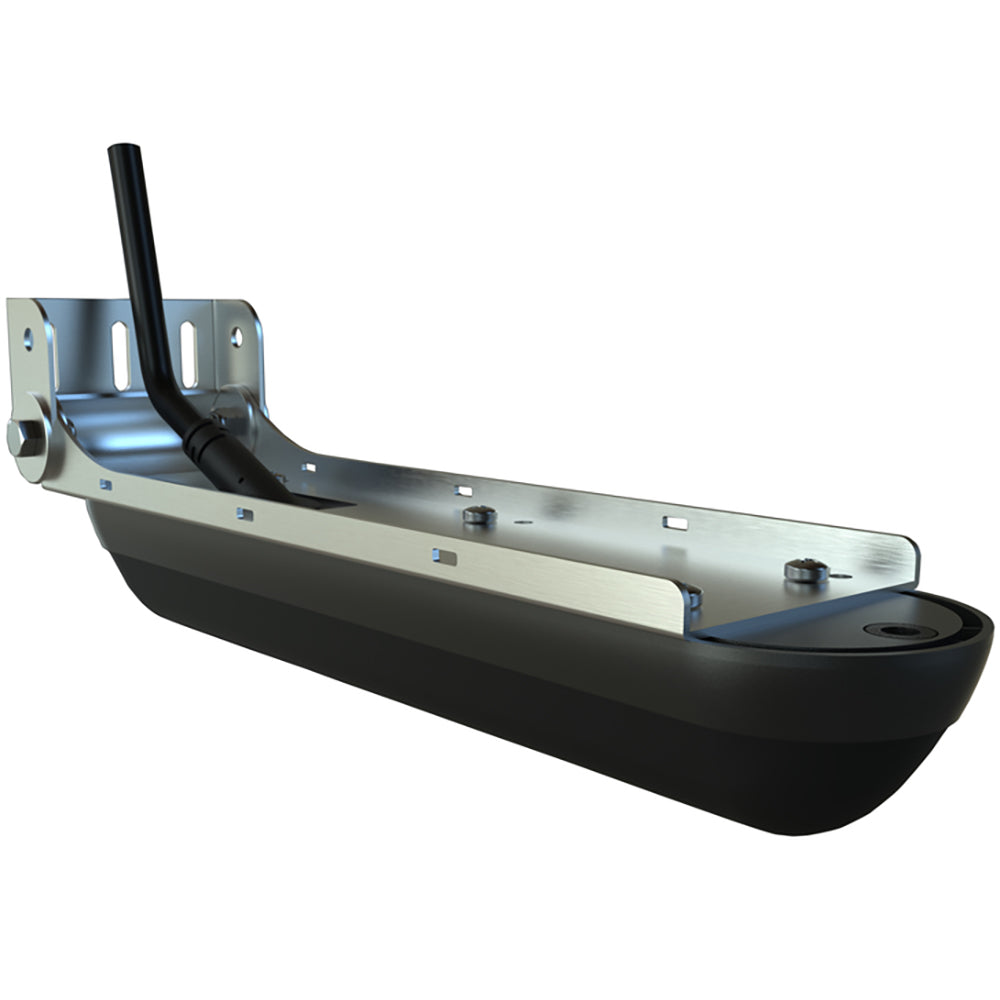
Navico Transom Mount Transducer f/StructureScan 3D [000-12396-001]
Regular price $457.00 USDSale price $457.00 USD Regular price $0.00 USDUnit price perTransom Mount Transducer for StructureScan 3DIncludes transducer, transom mounting bracket and assembly and mounting screws, washers and nuts. Specifications: Temperature: Yes Pins: 12 Mounting Style: Transom...
-
Navico
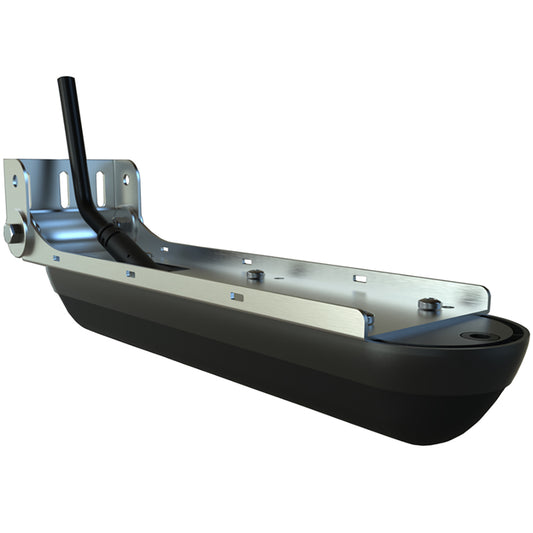
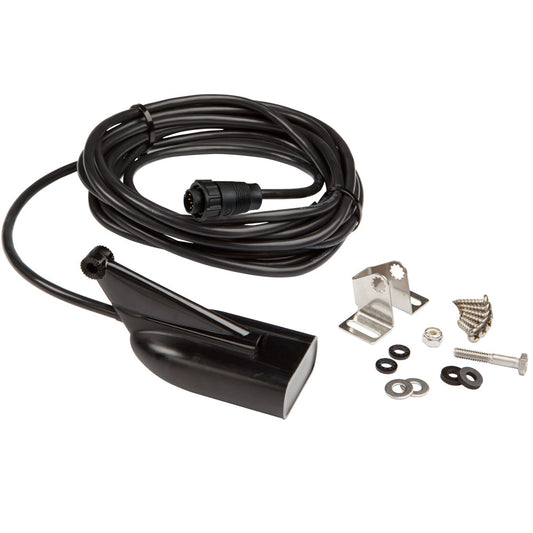
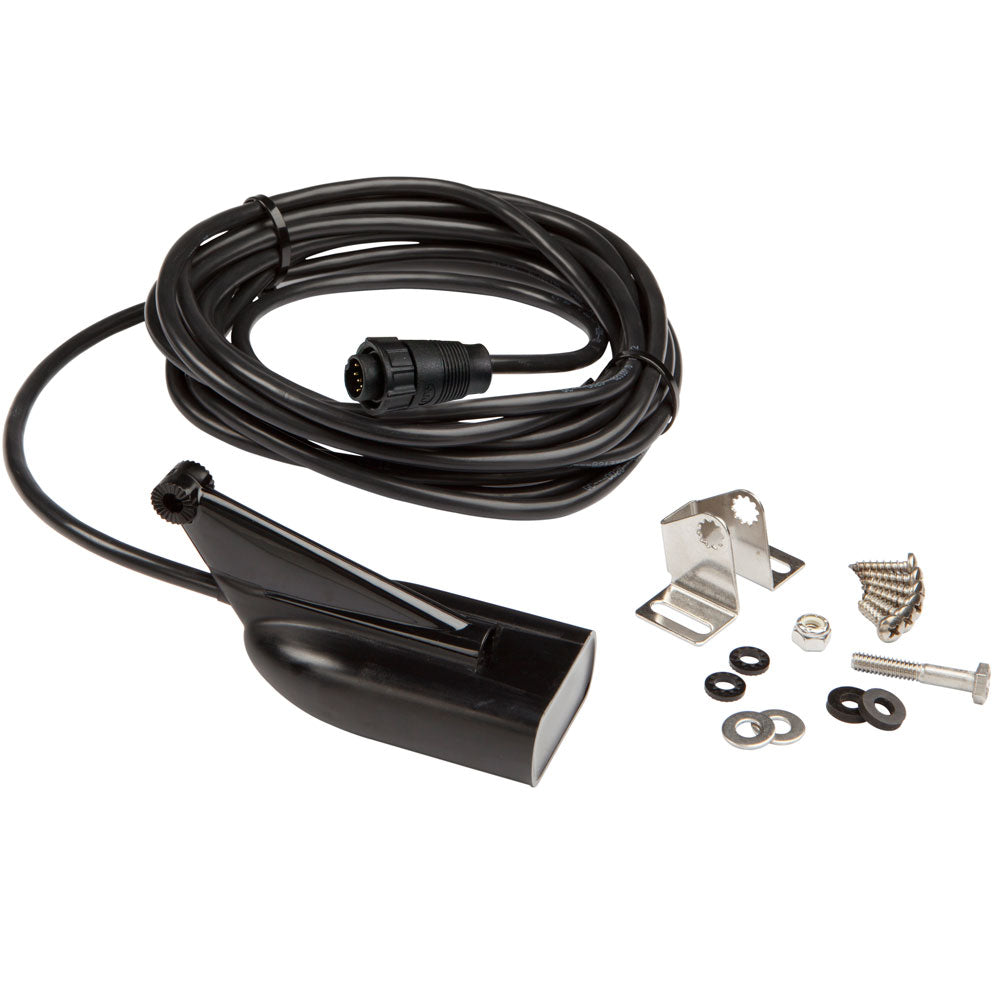
Navico HDI Skimmer Low/High 50/200/455/800kHz Transom Mount 9-Pin Transducer [000-12569-001]
Regular price $270.00 USDSale price $270.00 USD Regular price $0.00 USDUnit price perHDI SSkimmer Low/High 50/200/455/800kHz Transom Mount 9-Pin Transducer9-Pin Transom Mount TransducerHDI Skimmer transducer 50/200/455/800kHz with built in temp. Includes mounting bracket and hardware. Cable Length 6M...
Navigation Equipment FAQs
What marine navigation equipment do I need for my boat?
The right navigation equipment depends on your boat, where you operate, and how you use it. Many boaters start with a marine GPS or chartplotter and may add radar, AIS, sonar, a compass, or other navigation instruments depending on their needs. Offshore cruising, fishing, nighttime operation, and boating in unfamiliar waters may require a more comprehensive electronics setup.
What should I check before buying replacement marine electronics?
Before replacing or upgrading equipment, check the available mounting space, power requirements, wiring, connectors, network compatibility, transducers, antennas, sensors, existing displays, and other components you plan to keep. A newer display may not automatically work with every component from an older electronics system.
How do I choose between different marine electronics brands?
Consider the features you need as well as the complete electronics ecosystem. Display options, chart compatibility, radar and sonar capabilities, networking, transducer support, autopilot integration, expansion options, and compatibility with equipment already aboard your boat can all influence the right choice.
Do I need radar on my boat?
Radar can provide additional situational awareness by helping identify vessels, land, and other targets around your boat. It can be particularly useful when operating at night, offshore, or when visibility is reduced. Whether you need radar depends on your boating environment, vessel, and typical operating conditions.
What is AIS and why is it useful?
AIS, or Automatic Identification System, allows appropriately equipped vessels to exchange information such as identity, position, course, and speed. An AIS receiver can display information transmitted by nearby AIS-equipped vessels, while compatible AIS transceivers can both receive and transmit information. AIS can be a valuable addition to a vessel's overall navigation and situational-awareness system.
Should marine navigation equipment be professionally installed?
Some electronics can be installed by experienced boat owners, while more complex systems may benefit from professional installation. Radar, transducers, networking, antennas, autopilot integration, and multi-display systems can require careful placement, wiring, configuration, and calibration. Always follow the manufacturer's installation requirements.