


STORM PREPARATION STARTS HERE.


GEAR UP BEFORE THE STORM.
-
Davis Instruments
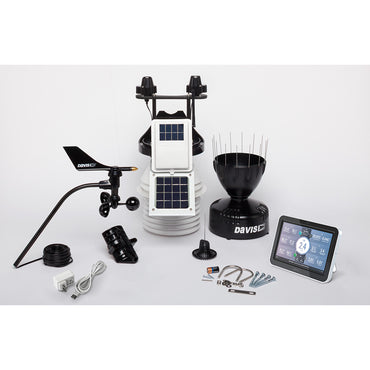
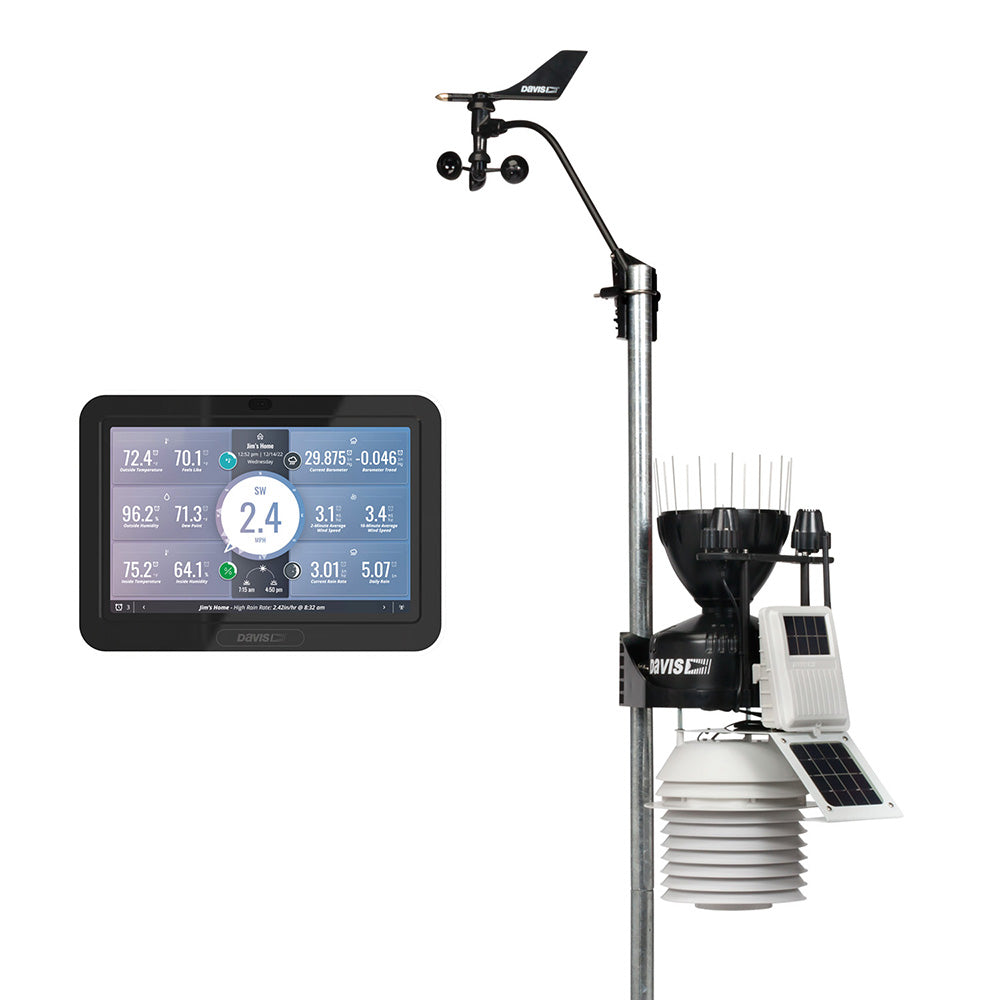
Davis Vantage Pro2 Plus Wireless Weather Station w/WeatherLink Console, 24hr Fan Aspirated Radiation Shield, UV Solar Sensors [6263]
Regular price $2,030.00 USDSale price $2,030.00 USD Regular price $0.00 USDUnit price per -
Dock Edge
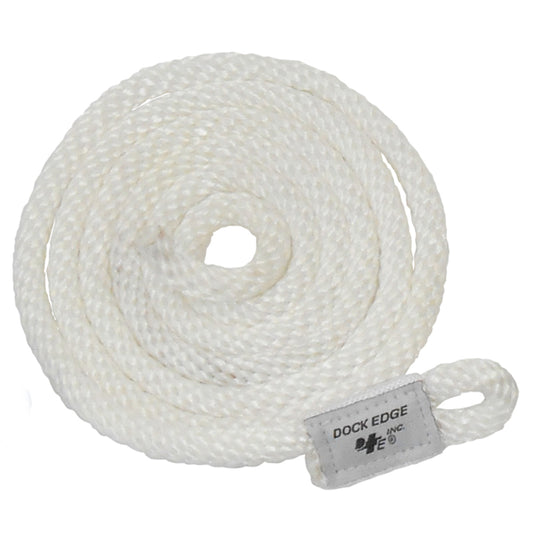
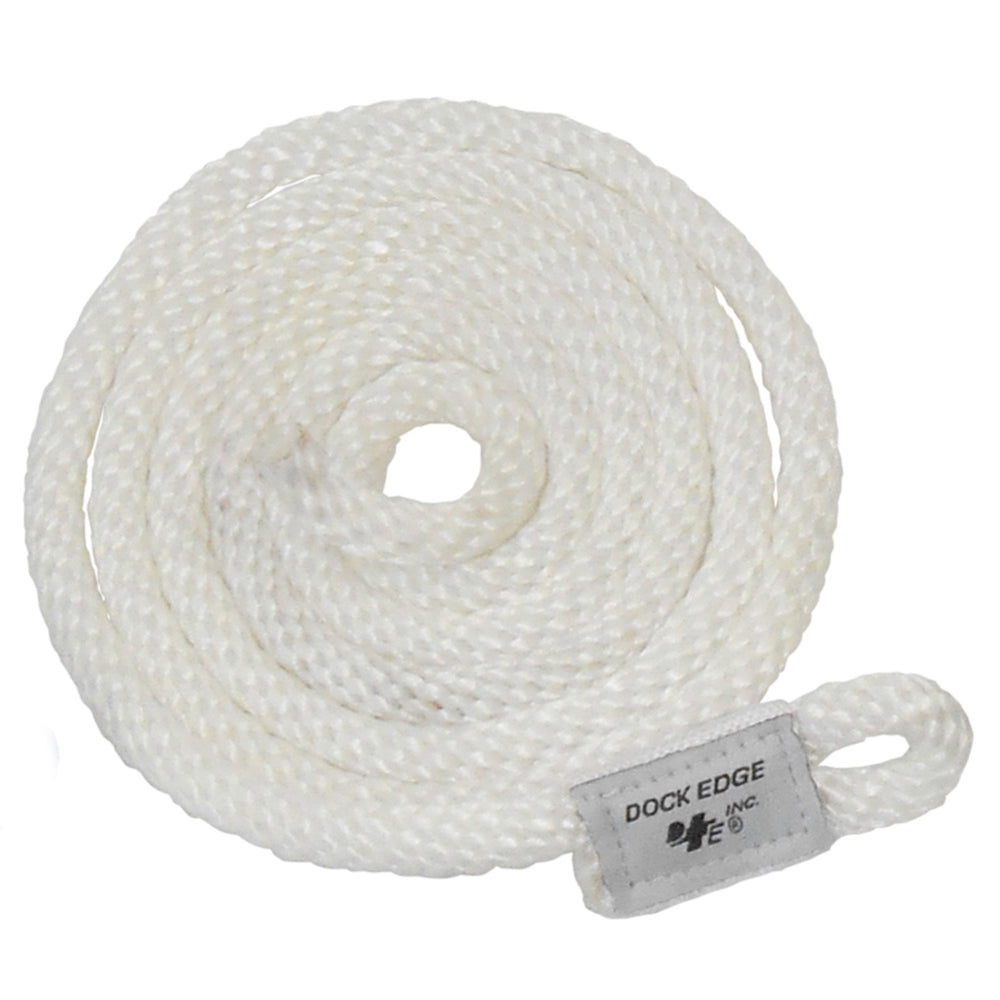
Dock Edge Fender Line - 3/8" x 5' - White - 2-Pack [DE91561F]
Regular price $9.50 USDSale price $9.50 USD Regular price $0.00 USDUnit price per -
Albin Group
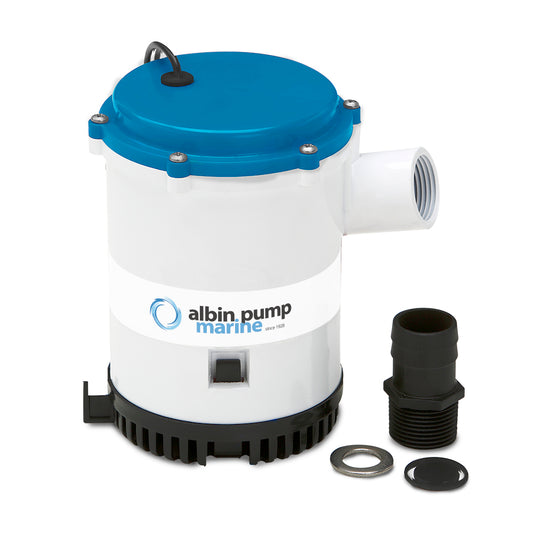
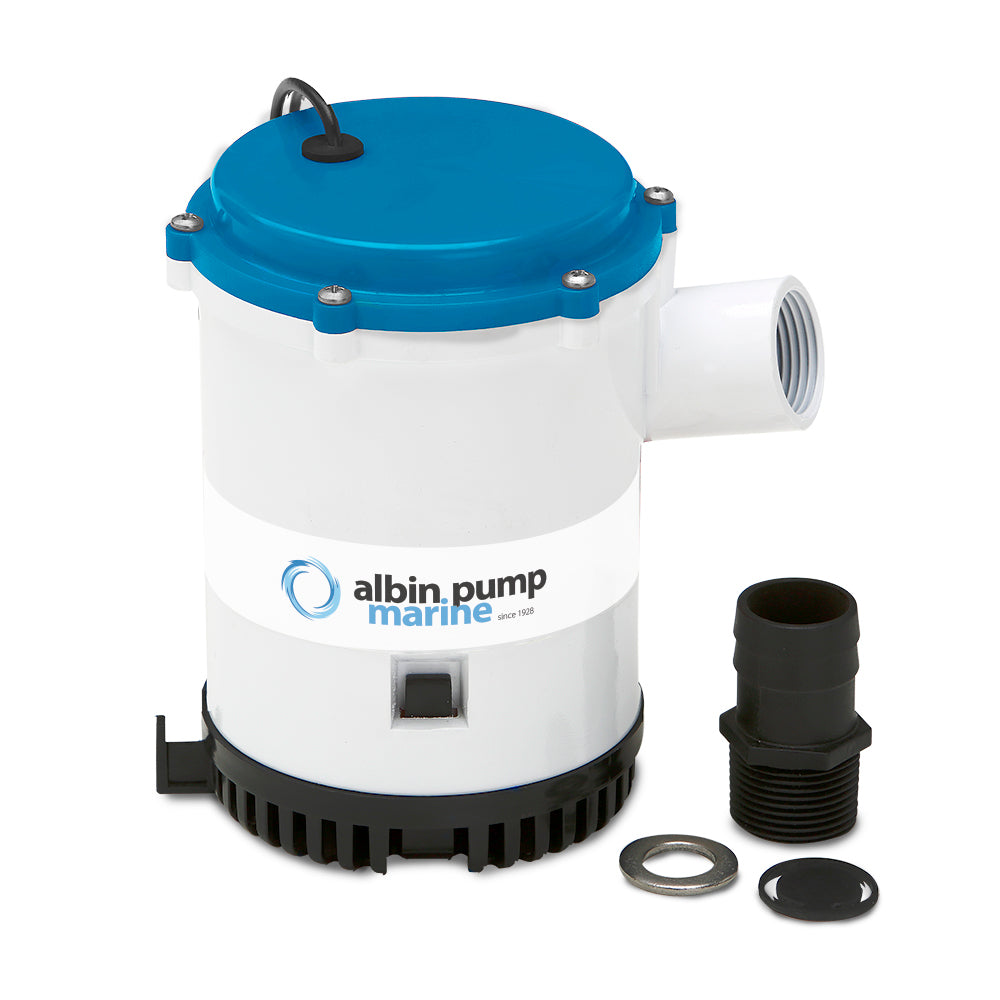
Albin Group Bilge Pump Heavy Duty 2250 GPH - 12V [01-03-013]
Regular price $134.99 USDSale price $134.99 USD Regular price $168.00 USDUnit price per -
Garmin
Garmin GPSMAP 86i Handheld GPS w/inReach Worldwide Basemap [010-02236-00]
Regular price $599.99 USDSale price $599.99 USD Regular price $0.00 USDUnit price per -
em-trak
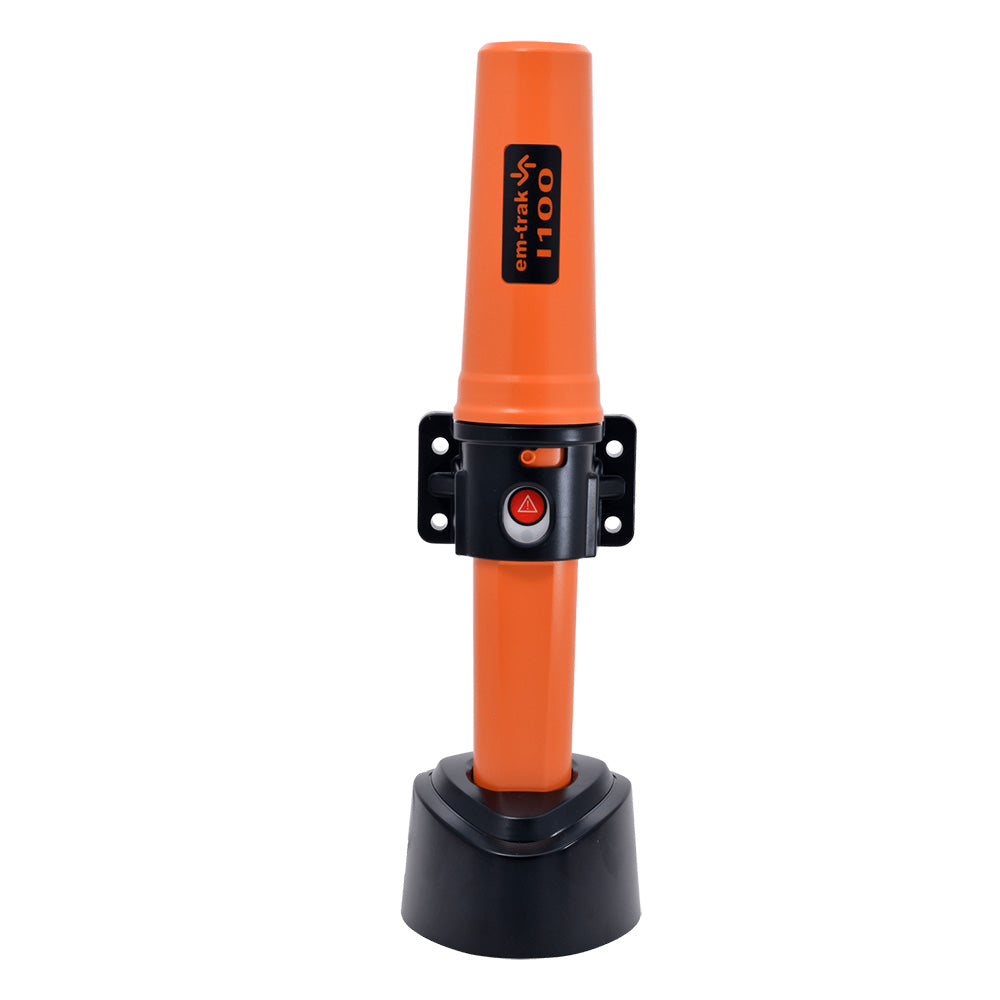
em-trak I100-X Small Vessel Tracker [417-0077]
Regular price $735.57 USDSale price $735.57 USD Regular price $817.30 USDUnit price per -
Carver by Covercraft
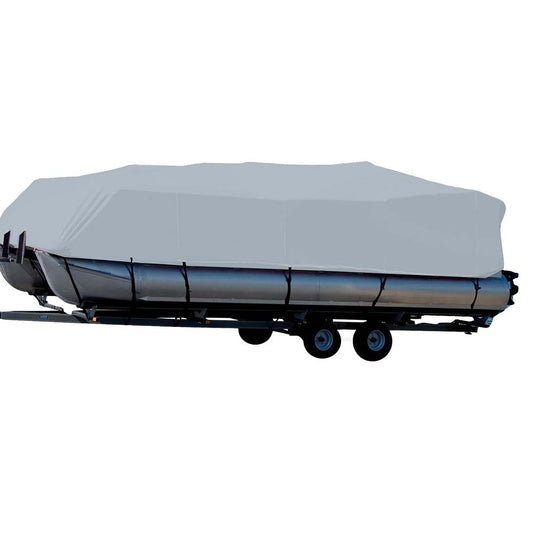
Carver Sun-DURA Styled-to-Fit Boat Cover f/22.5 Pontoons w/Bimini Top Rails - Grey [77522S-11]
Regular price $588.99 USDSale price $588.99 USD Regular price $738.99 USDUnit price per -
Meguiar's
Meguiars Water Magnet Microfiber Drying Towel - 22" x 30" [X2000]
Regular price $11.99 USDSale price $11.99 USD Regular price $0.00 USDUnit price per -
Furuno
Furuno InfoLINK BBWX4 Satellite Weather Receiver [BBWX4]
Regular price $499.00 USDSale price $499.00 USD Regular price $0.00 USDUnit price per






Davis Instruments
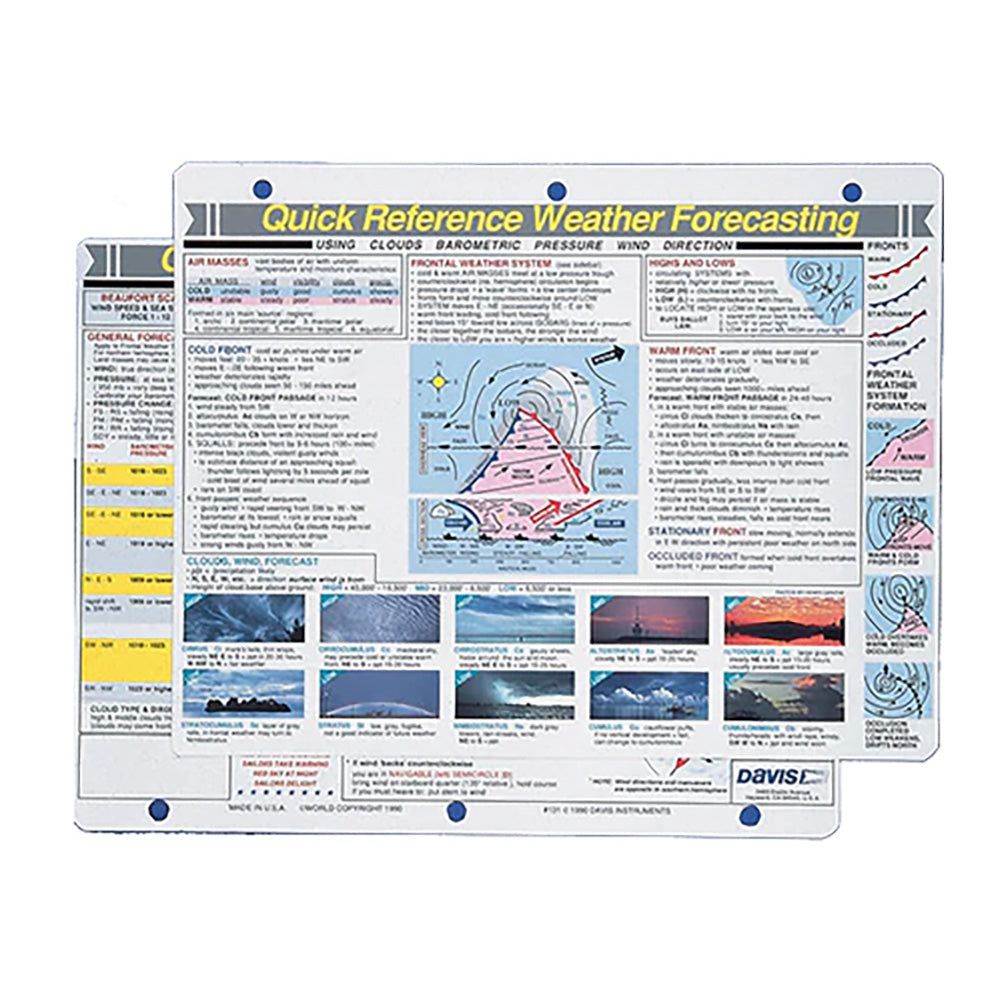
Davis Quick Reference Weather Forecasting Card [131]

-
Mustang Survival
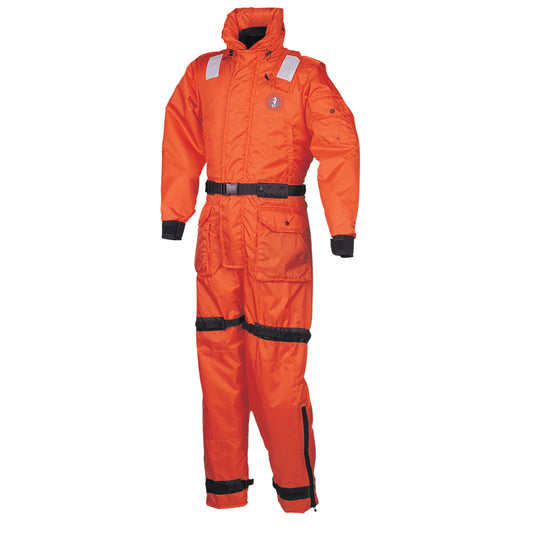
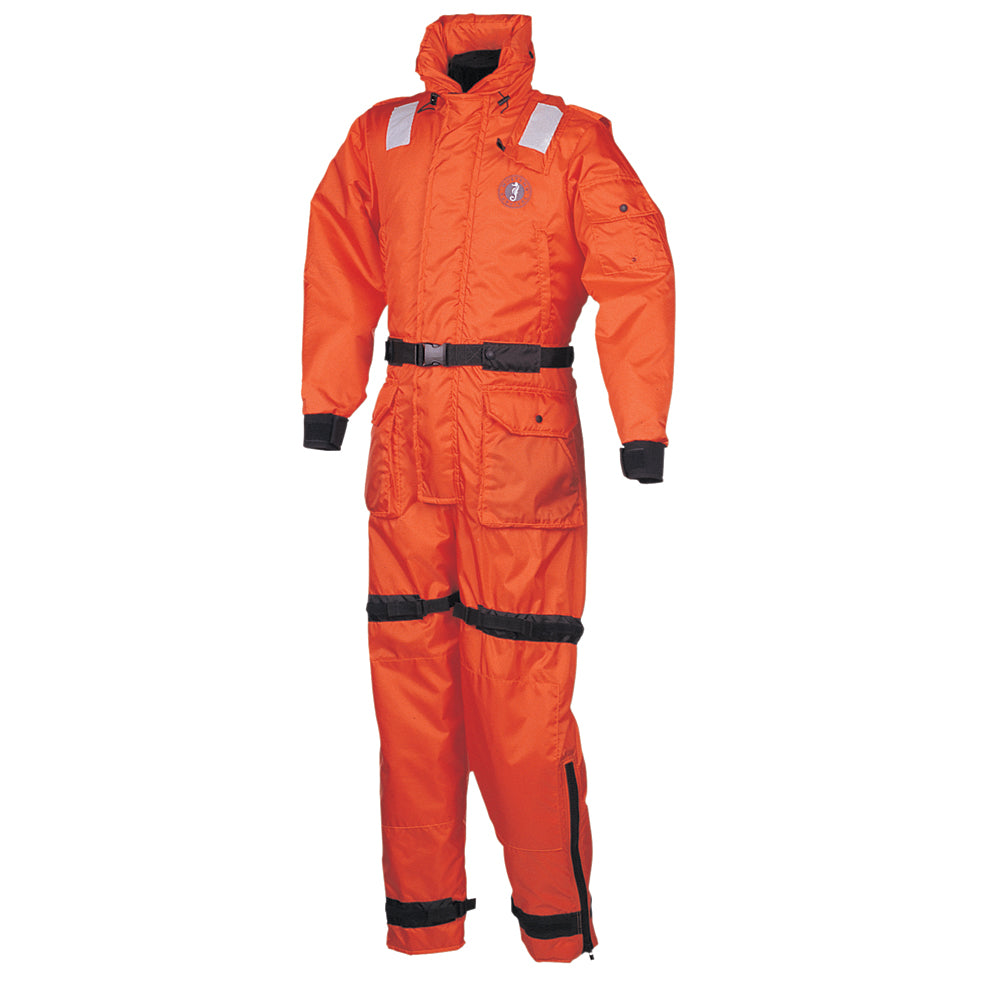
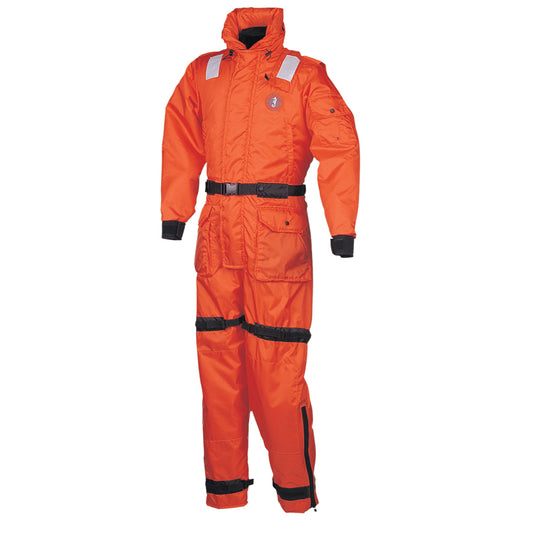
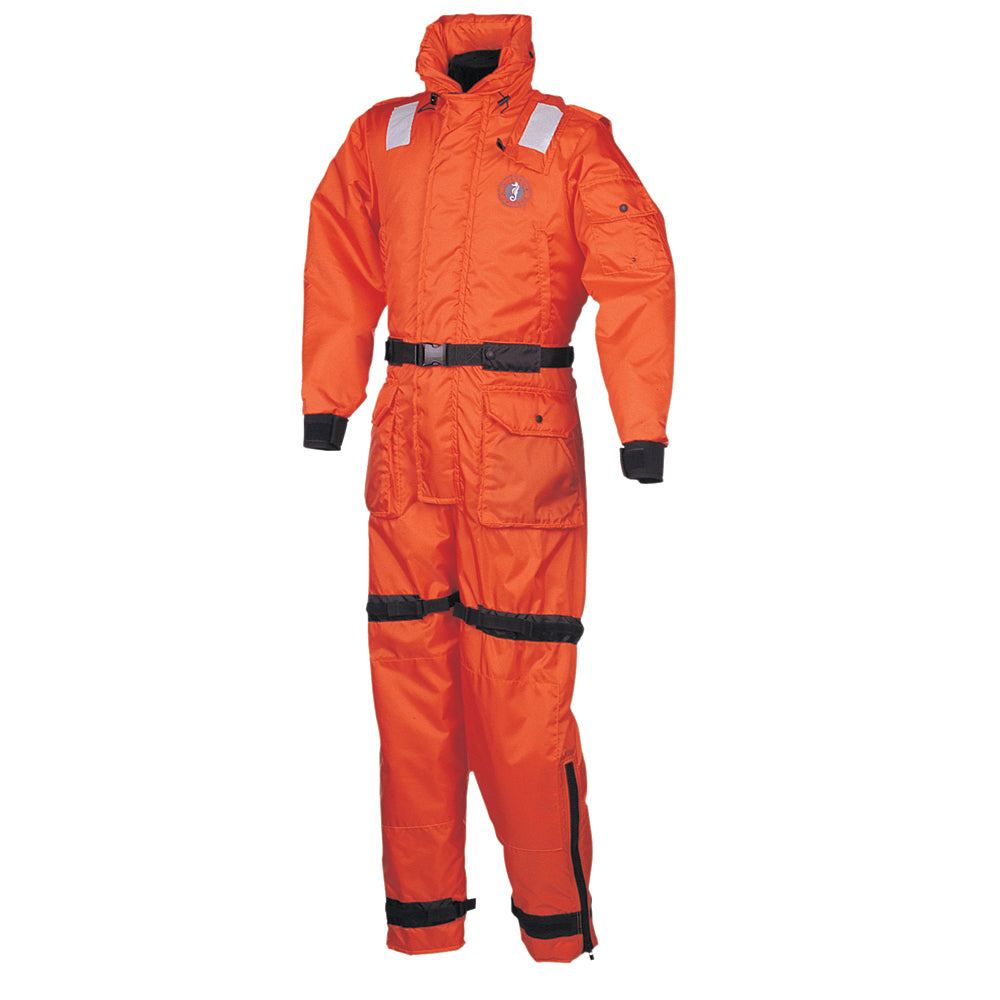
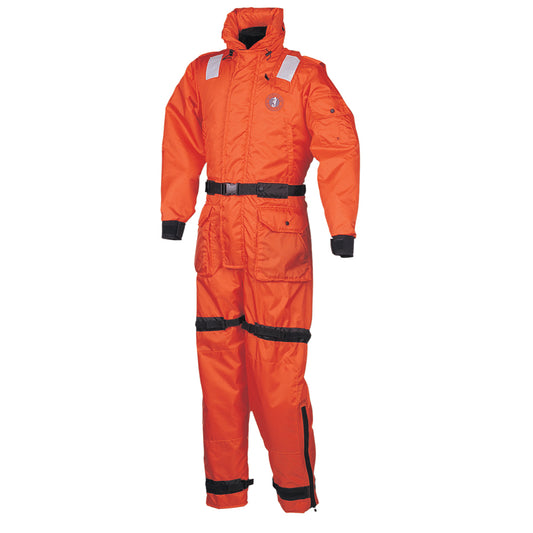
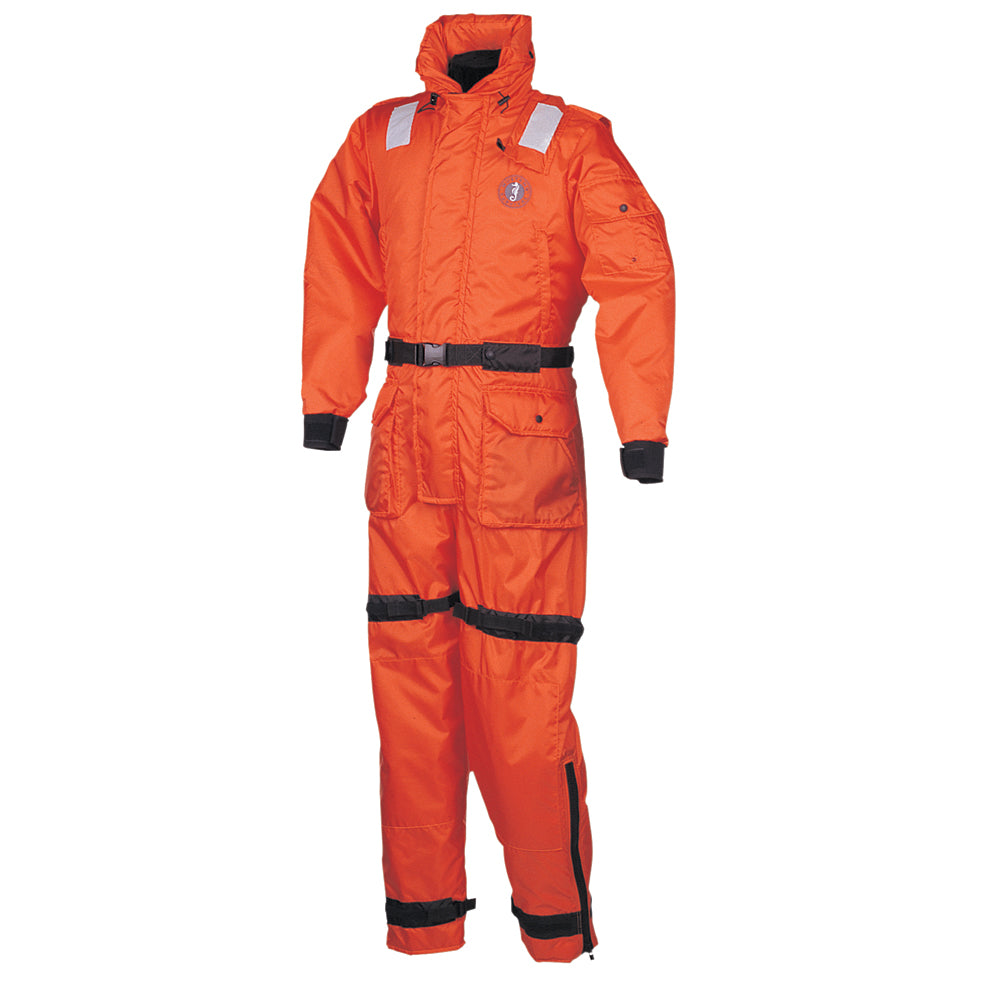
Mustang Deluxe Anti-Exposure Coverall Work Suit - Orange - XL [MS2175-2-XL-206]
Regular price $763.99 USDSale price $763.99 USD Regular price $947.47 USDUnit price perDeluxe Anti-Exposure Coverall & Work Suit - Orange - XLMustang Survival's MS2175 Deluxe Anti-Exposure Coverall and Flotation Work Suit are designed with Mustang's Airsoft™ foam for...
-
Mustang Survival
Mustang Deluxe Anti-Exposure Coverall Work Suit - Orange - Large [MS2175-2-L-206]
Regular price $763.99 USDSale price $763.99 USD Regular price $947.47 USDUnit price perDeluxe Anti-Exposure Coverall & Work Suit - Orange - LargeMustang Survival's MS2175 Deluxe Anti-Exposure Coverall and Flotation Work Suit are designed with Mustang's Airsoft™ foam for...
-
Mustang Survival
Mustang Deluxe Anti-Exposure Coverall Work Suit - Orange - Medium [MS2175-2-M-206]
Regular price $763.99 USDSale price $763.99 USD Regular price $947.47 USDUnit price perDeluxe Anti-Exposure Coverall & Work Suit - Orange - Medium Mustang Survival's MS2175 Deluxe Anti-Exposure Coverall and Flotation Work Suit are designed with Mustang's Airsoft™ foam for...
-
Mustang Survival
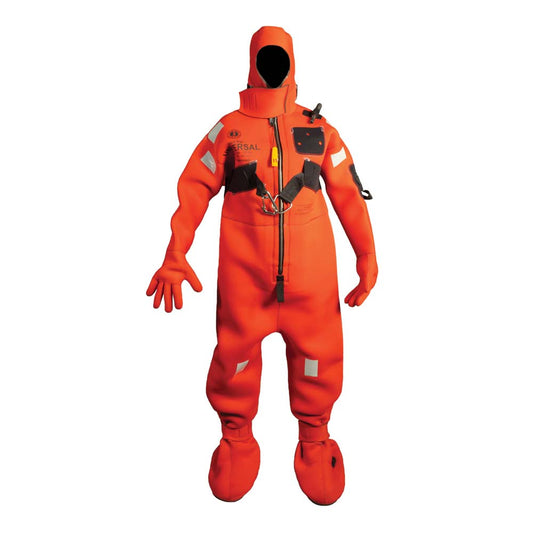
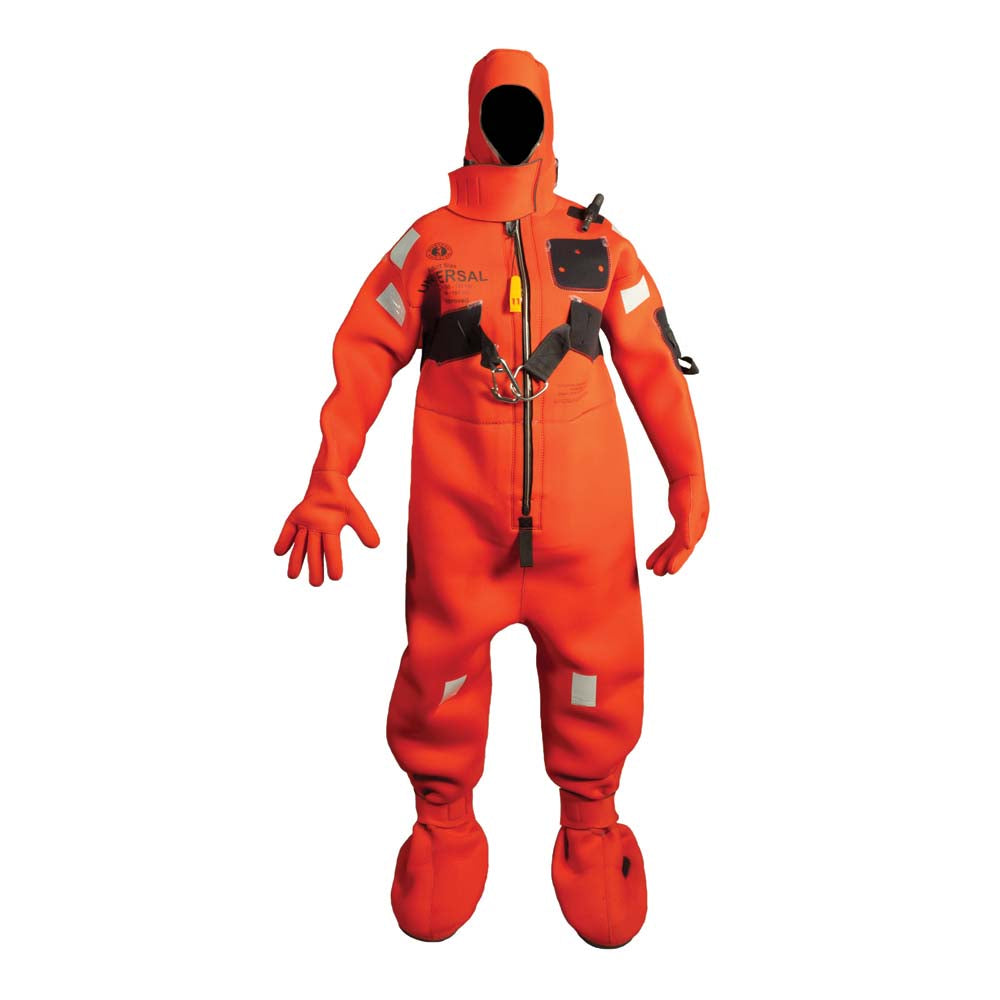
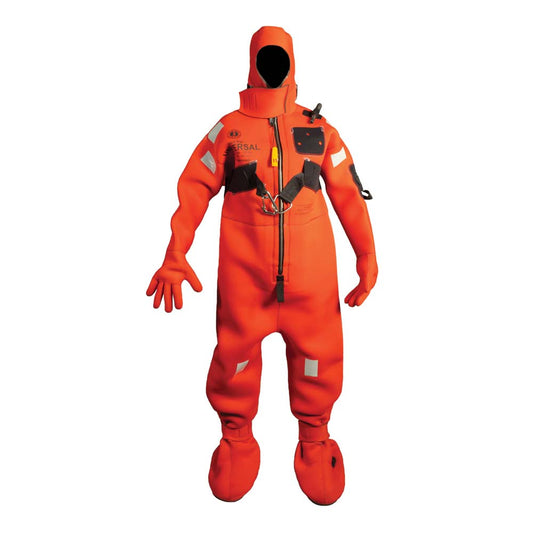
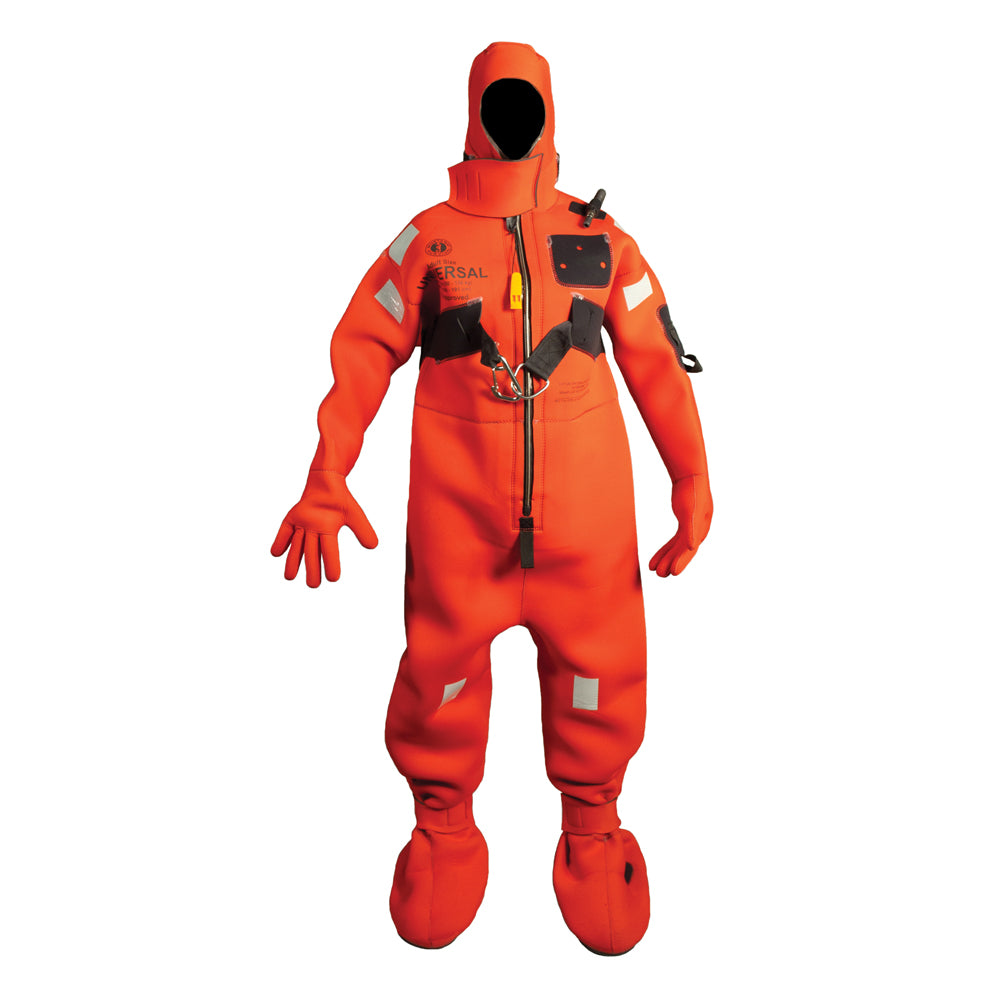
Mustang Neoprene Cold Water Immersion Suit w/Harness - Red - Adult Oversized [MIS240HR-4-0-209]
Regular price $703.99 USDSale price $703.99 USD Regular price $872.82 USDUnit price perNeoprene Cold Water Immersion Suit with Harness - Red - Adult Oversized For flotation and hypothermia protection when every second counts. Designed for use in commercial operations, the...
-
Mustang Survival
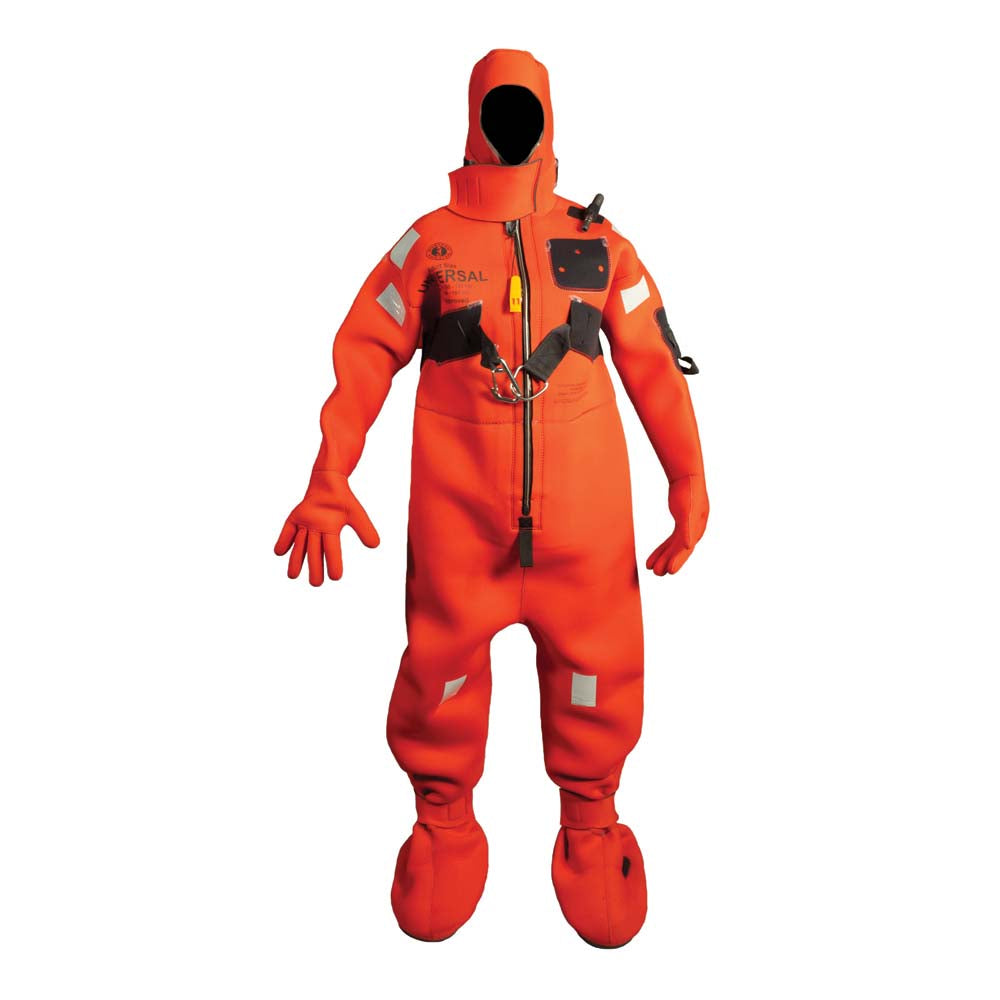
Mustang Neoprene Cold Water Immersion Suit w/Harness - Red - Adult Universal [MIS230HR-4-0-209]
Regular price $648.99 USDSale price $648.99 USD Regular price $804.44 USDUnit price perNeoprene Cold Water Immersion Suit with Harness - Red - Adult Universal For flotation and hypothermia protection when every second counts. Designed for use in commercial operations, the...
-
Mustang Survival
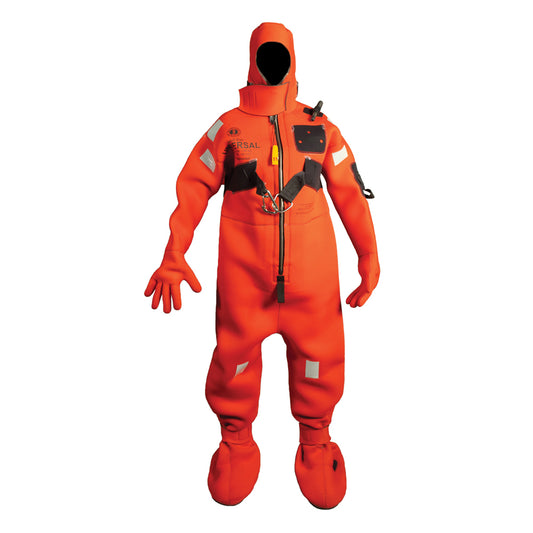
Mustang Neoprene Cold Water Immersion Suit w/Harness - Red - Child [MIS210HR-4-0-209]
Regular price $602.99 USDSale price $602.99 USD Regular price $747.17 USDUnit price perNeoprene Cold Water Immersion Suit with Harness - Red - Child For flotation and hypothermia protection when every second counts. Designed for use in commercial operations, the new...
-
Mustang Survival
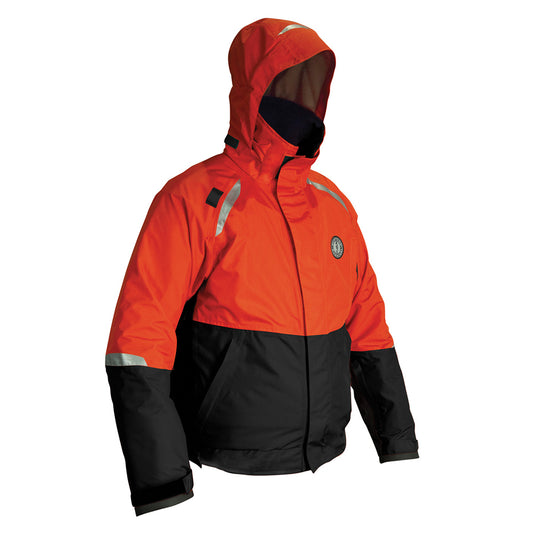
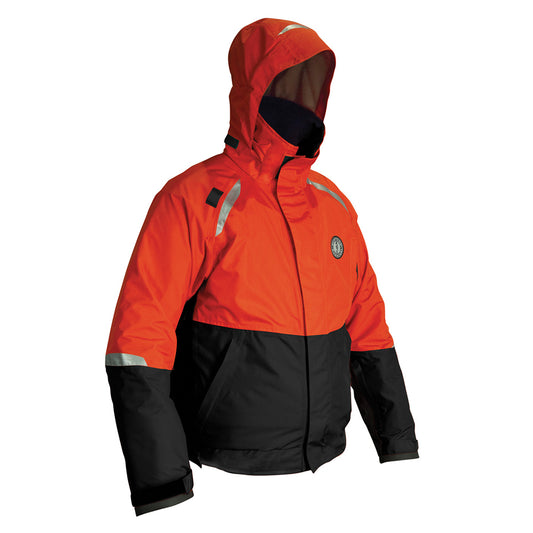
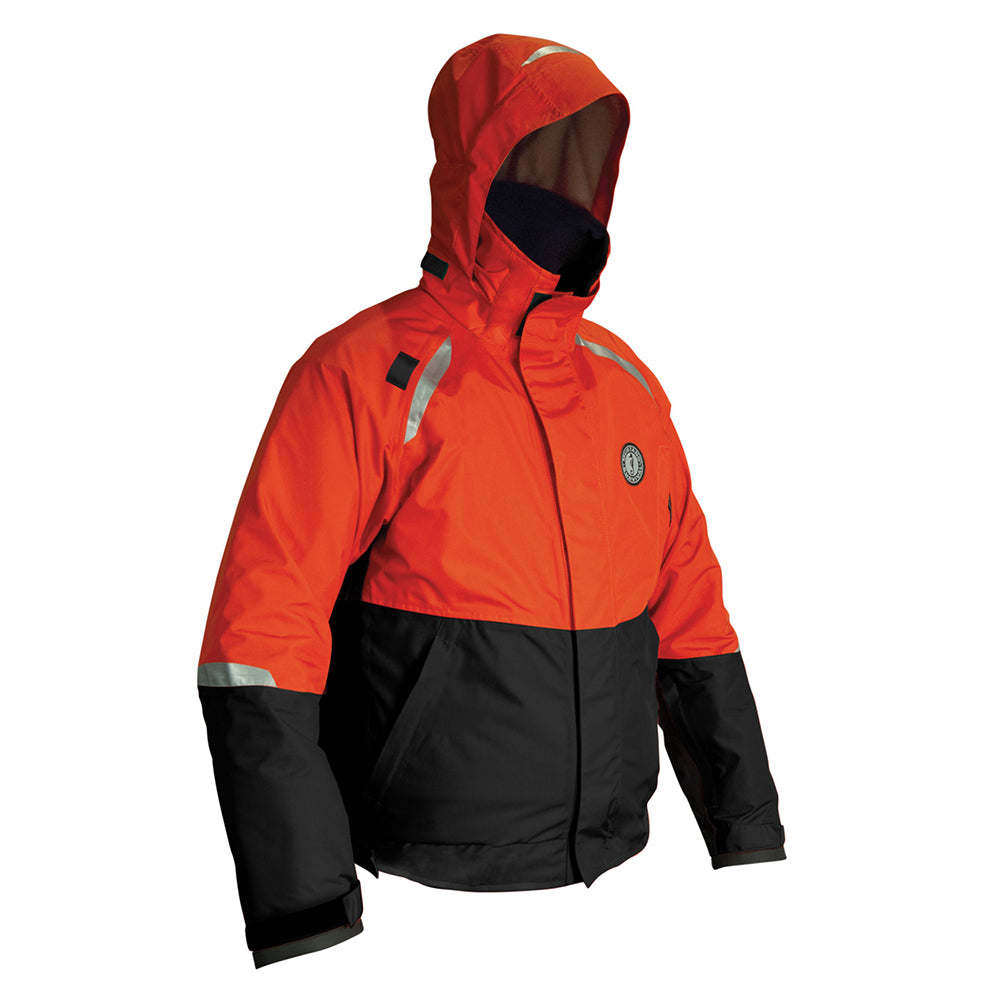
Mustang Catalyst Flotation Jacket - Orange/Black - XXL [MJ5246-33-XXL-206]
Regular price $440.99 USDSale price $440.99 USD Regular price $546.34 USDUnit price perCatalyst Flotation Jacket - Orange/Black - XXLWe took the traditional Floater Coat™ and made it more comfortable, better looking and overall, more wearable. The result? Mustang's...
-
Mustang Survival
Mustang Catalyst Flotation Jacket - Orange/Black - XL [MJ5246-33-XL-206]
Regular price $440.99 USDSale price $440.99 USD Regular price $546.34 USDUnit price perCatalyst Flotation Jacket - Orange/Black - XL We took the traditional Floater Coat™ and made it more comfortable, better looking and overall, more wearable. The result? Mustang's...

Storm Ready FAQ
1. What equipment should I have to prepare my boat for a storm?
Storm preparation equipment may include heavy-duty dock lines, chafe protection, appropriately sized fenders, bilge pumps, battery maintenance equipment, emergency communication devices, and waterproof storage supplies.
The right equipment depends on your boat's size, location, storage arrangement, and expected weather conditions. A well-planned storm preparation kit helps you address important areas before severe weather arrives.
2. How should I secure my boat before strong winds or severe weather?
Start by reviewing your marina's storm procedures and inspecting your dock lines, cleats, mooring hardware, and fenders. Check for worn lines, corrosion, and potential chafing points.
Your securing arrangement should account for wind direction, water-level changes, and vessel movement. For significant storms, relocating or hauling out your boat may be safer than leaving it at the dock.
3. What are storm dock lines, and how are they different from regular dock lines?
Storm dock lines are lines selected and arranged to handle the additional loads and movement associated with severe weather. They may be longer, stronger, or configured differently from everyday docking lines.
Proper material, diameter, length, condition, attachment points, and chafe protection are all important. Oversized lines alone do not guarantee a safe storm mooring.
4. How can I protect my boat from rubbing against the dock during a storm?
Appropriately sized fenders, fender boards where suitable, chafe protection, and a properly designed mooring arrangement can help reduce contact with docks and pilings.
Position protection around likely contact points while accounting for changes in water level and vessel movement. During extreme conditions, fenders may shift or become ineffective, so they should not be your only line of protection.
5. Should I remove boat covers, canvas, and loose equipment before a storm?
Loose equipment, removable cushions, unsecured accessories, and other items exposed to high winds should be removed or secured well before hazardous weather arrives.
Bimini tops, canvas enclosures, and boat covers may need to be removed or prepared according to manufacturer instructions and your storm plan. Some covers can catch wind and create additional stress on the boat or its fittings.
6. Why are bilge pumps important during heavy rain and storms?
Bilge pumps help remove accumulated water from a boat's bilge. Before severe weather, inspect the pump, float switch, wiring, discharge hose, and power supply to confirm the system is operating properly.
An automatic bilge pump can provide additional protection against water accumulation, but it cannot prevent every flooding situation or replace proper drainage and storm preparation.
7. How should I prepare my boat's batteries and electrical systems for severe weather?
Inspect batteries, terminals, wiring, and charging equipment for damage or corrosion. Confirm that essential equipment, including automatic bilge pumps and communication devices, has an appropriate power supply.
Follow your boat and battery manufacturers' recommendations for charging, isolation, and storage. Avoid disconnecting power to essential automatic systems without first considering how those systems will continue operating.